
Top 7 Proven Tile Stain Removal Methods: How to Effectively Clean Tough Tile Stains

Tough tile stains frustrate both homeowners and businesses. Knowing the right removal techniques preserves your tiles’ appearance and extends their life. This article outlines seven proven methods to lift stubborn stains and keep surfaces vibrant. It also covers common stain types, their challenges, and the advantages of hiring professional cleaners—such as the veteran-owned “Veterans Cleaning Solutions”.
What Are the Common Types of Tile Stains and Their Challenges?
Tiles pick up different kinds of stains, and each needs its own approach. Dirt, grease, mold, rust and algae are the most common. They build up over time, so identifying the stain helps you pick the right cleaning method.
Which Stains Affect Ceramic and Porcelain Tiles Most Often?
Ceramic and porcelain tiles often stain from coffee, wine and food spills. If not treated quickly, these stains can penetrate and cause discoloration. Regular cleaning and prompt spill cleanup reduce the risk of permanent damage.
How Do Grout, Mold, Rust, and Algae Stains Differ in Removal Difficulty?
Grout is porous, so dirt settles deep and is hard to lift. Mold and algae thrive in damp areas and need targeted cleaners. Rust comes from metal contact and usually requires a specific rust remover. Matching the stain type to the correct method matters.
What Are the Top 7 Techniques for Removing Tough Stains From Tile Surfaces?
Several methods effectively remove tough tile stains. The seven approaches below address different soils and situations:
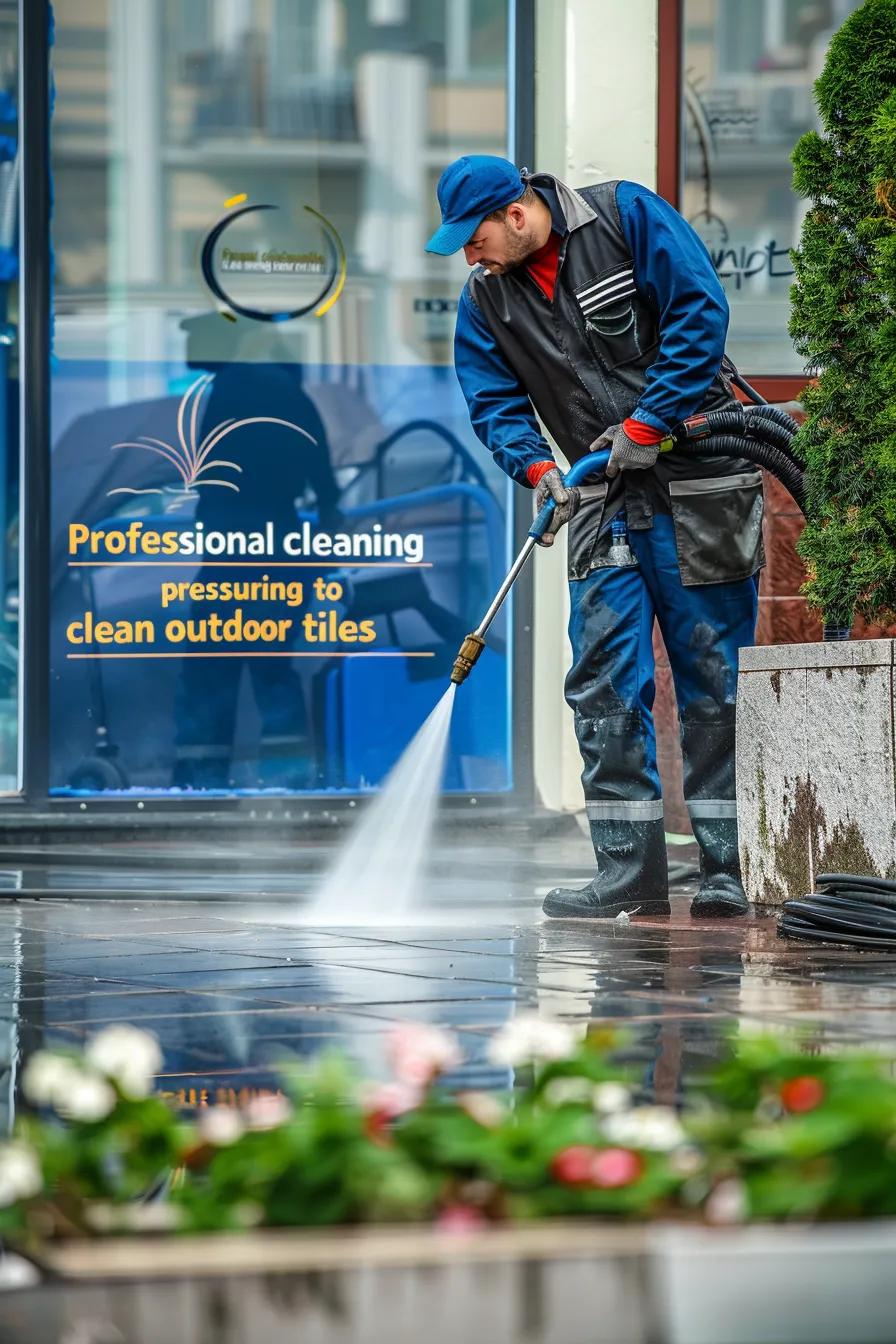
- Pressure Washing: This method uses high-pressure water to blast away dirt and stains, making it ideal for outdoor tiles and patios.
- Chemical Cleaners: Specialized chemical cleaners can effectively break down tough stains, especially those caused by grease and oil.
- Natural Remedies: Ingredients like vinegar and baking soda can be used to create effective cleaning solutions that are safe for the environment.
- Steam Cleaning: This method utilizes steam to penetrate and lift stains from tile surfaces without the need for harsh chemicals.
- Scrubbing: Manual scrubbing with a brush and appropriate cleaning solution can help remove stubborn stains from grout lines.
- Oxygen Bleach: This is a safe and effective option for removing stains without damaging the tile surface.
- Professional Cleaning Services: Hiring professionals, such as Veterans Cleaning Solutions, can ensure thorough cleaning and stain removal, especially for tough or extensive stains.
How Does Pressure Washing Help in Tile Stain Removal?
Pressure washing is effective for outdoor tiles. The high-pressure stream lifts dirt, grime and algae from patios, driveways and pool areas. Use the correct pressure to avoid chipping or etching the tiles.
What Role Do Chemical Cleaners Play in Stain Removal?
Chemical cleaners target specific soils and break down grease, oil and other stubborn residues. Follow the manufacturer’s instructions and safety guidelines to ensure safe, effective use.
The development of hard surface cleaners involves a careful selection of components, with their efficacy often rigorously tested on materials like ceramic tile.
Hard Surface Cleaner Efficiency on Ceramic Tile
Cleaners for hard surfaces rely on ingredients such as tensides, whose soil-removal power is enhanced by softeners (complexing agents), solvents and—depending on the soil—alkalis or acids. Some products also contain disinfectants to destroy microbes and prevent their reproduction. Efficiency testing uses a standard mechanical scrubbing machine: a sponge on a holder moves back and forth over soiled tile at set speed and pressure, and the test samples are rinsed with tap water. This method applies when the test material is glazed ceramic tile.
Development of a test method for evaluating the cleaning efficiency of hard-surface cleaning agents, 2004
How Can Natural Remedies Be Used to Remove Tile Stains Safely?

Natural remedies provide an eco-friendly cleaning option. Common household ingredients can tackle many stains without harsh chemicals.
Which Eco-Friendly Ingredients Are Effective Against Grout and Mold Stains?
Vinegar, baking soda and hydrogen peroxide are effective for grout and mold stains. Vinegar dissolves mineral deposits, baking soda acts as a gentle abrasive, and hydrogen peroxide helps eliminate mold spores.
What Are the Benefits of Using Vinegar and Baking Soda for Tile Cleaning?
Vinegar and baking soda are non-toxic, affordable and widely available. They’re safe around children and pets and, when combined, produce a strong cleaning reaction that helps lift stains from tiles.
Further research supports the effectiveness of these natural remedies, alongside other cleaning agents, in tackling microbial contaminants on various surfaces.
Efficacy of Tile Cleaning Agents & Methods
A quantitative study compared antimicrobial efficacy of commercial disinfectants (QAC, bleach, alcohol), household agents (vinegar, baking soda, tea tree oil) and physical/soap scrubbing against a mixed environmental soil microbial consortium on four common household surfaces (ceramic, stainless steel, HDPE, sealed wood) using a standardized laboratory model.
Quantitative Benchmarking of Household Surface Decontamination: Comparing Chemical Disinfectants, Natural Alternatives, and Physical Removal of Environmental …, 2025
Why Choose Veteran-Owned Cleaning Solutions for Tile Stain Removal?
Hiring a veteran-owned company like Veterans Cleaning Solutions can improve the cleaning experience. These businesses often prioritise quality, reliability and community service, making them a trusted choice for homeowners.
How Does Veteran Ownership Enhance Trust and Service Quality?
Veteran ownership brings discipline, attention to detail and a strong work ethic. That focus often leads to higher service standards—helpful when tackling tough stains that need careful handling.
What Personalized Services Does Veterans Cleaning Solutions Offer?
Veterans Cleaning Solutions provides tailored services to meet each client’s needs. From interior and exterior cleaning to targeted stain removal, their team has the equipment and know-how to handle a range of cleaning challenges.
How Do Interior and Exterior Tile Cleaning Techniques Differ?
Interior and exterior tile cleaning differ because of the environments and types of stains involved. Choose methods suited to the setting and the specific soil you’re treating.
What Are the Best Practices for Interior Tile Stain Removal?
For indoor tiles, use gentle cleaners that won’t damage the finish. Regular sweeping and mopping prevent buildup, and spot treatments address stains before they set.
How Are Exterior Tiles and Roof Tiles Treated for Stains?
Outdoor tiles require tougher methods due to weather exposure. Pressure washing and chemical cleaners work well for patios and driveways. Roof tiles often need specialised solutions to remove moss and algae without causing harm.
To maintain the integrity of your roof, consider professional “roof cleaning” services.
What Are the Best Products for Tile Stain Removal in 2024?
Cleaning products evolve each year. Below are some recommended options for 2024 that suit different tile and stain needs:
| Product Name | Type | Effectiveness | Price |
|---|---|---|---|
| TileX Cleaner | Chemical | High | $15 |
| EcoClean Natural | Eco-Friendly | Medium | $12 |
| Grout Renew | Grout Cleaner | High | $20 |
Which Professional-Grade Cleaners Are Recommended for Tough Stains?
Professional-grade cleaners like TileX Cleaner and Grout Renew are formulated to penetrate tile and grout, removing deep-set stains and delivering a thorough clean.
How Do Eco-Friendly Products Compare to Chemical Alternatives?
Eco-friendly products such as EcoClean Natural offer a gentler, safer option for regular maintenance. They may be less potent on heavy-duty stains, so choose based on the stain severity and environmental preferences.
How Can You Maintain and Prevent Tile Stains After Cleaning?
Preventing stains matters as much as removing them. A regular maintenance routine keeps tiles looking their best and reduces the need for intensive treatments.
What Regular Maintenance Tips Keep Tiles Stain-Free?
To keep tiles free of stains, try these simple steps:
- Regularly sweep and mop to remove dirt and debris.
- Use coasters and mats in high-traffic areas to prevent scratches and stains.
- Address spills immediately to prevent staining.
How Can Preventive Measures Reduce Future Staining?
Sealing grout lines and applying protective coatings create barriers against dirt and moisture. These measures make cleaning easier and lower the chance of future stains.
For comprehensive “exterior cleaning” solutions, consider professional services.
Frequently Asked Questions
What are the best eco-friendly alternatives for tile stain removal?
Vinegar, baking soda and hydrogen peroxide are effective eco-friendly options. Vinegar dissolves mineral deposits, baking soda provides gentle abrasion, and hydrogen peroxide helps kill mold spores. These remedies protect the environment and are safer for homes with children and pets.
How often should I clean my tiles to prevent stains?
Clean tiles at least once a week to prevent stains. Regular sweeping and mopping remove dirt that leads to staining, and handling spills immediately prevents them from setting. High-traffic areas may need more frequent attention.
Can I use bleach on colored tiles without damaging them?
Bleach can discolour coloured tiles and is generally not recommended. Use colour-safe cleaners or natural alternatives like vinegar and baking soda. If bleach is necessary, test it on a small hidden area first and follow product instructions carefully.
What should I do if stains persist after cleaning?
If stains persist, try a specialised cleaner such as oxygen bleach or a dedicated stain remover. If that still fails, hire a professional cleaning service—professionals have advanced tools and techniques to remove stubborn stains without damaging tiles.
Are there specific products recommended for different types of tiles?
Yes. Ceramic and porcelain tiles benefit from pH-neutral cleaners that protect the glaze. Natural stone tiles like marble or granite require stone-specific cleaners to avoid etching. Always check labels to ensure product compatibility with your tile type.
How can I tell if my tiles need sealing?
Perform a simple water test: drop a small amount of water on the tile. If it beads up, the seal is likely intact. If it soaks in, resealing is needed. Frequent stains or discolouration can also indicate a worn sealant. Regular sealing helps protect tiles and extend their lifespan.
Conclusion
Removing tough tile stains improves appearance and extends the life of your tiles. Use proven methods—pressure washing, natural remedies or professional cleaning—to get reliable results. Knowing stain types and the right techniques makes maintenance easier. For a thorough cleaning experience, consider exploring professional services today.
