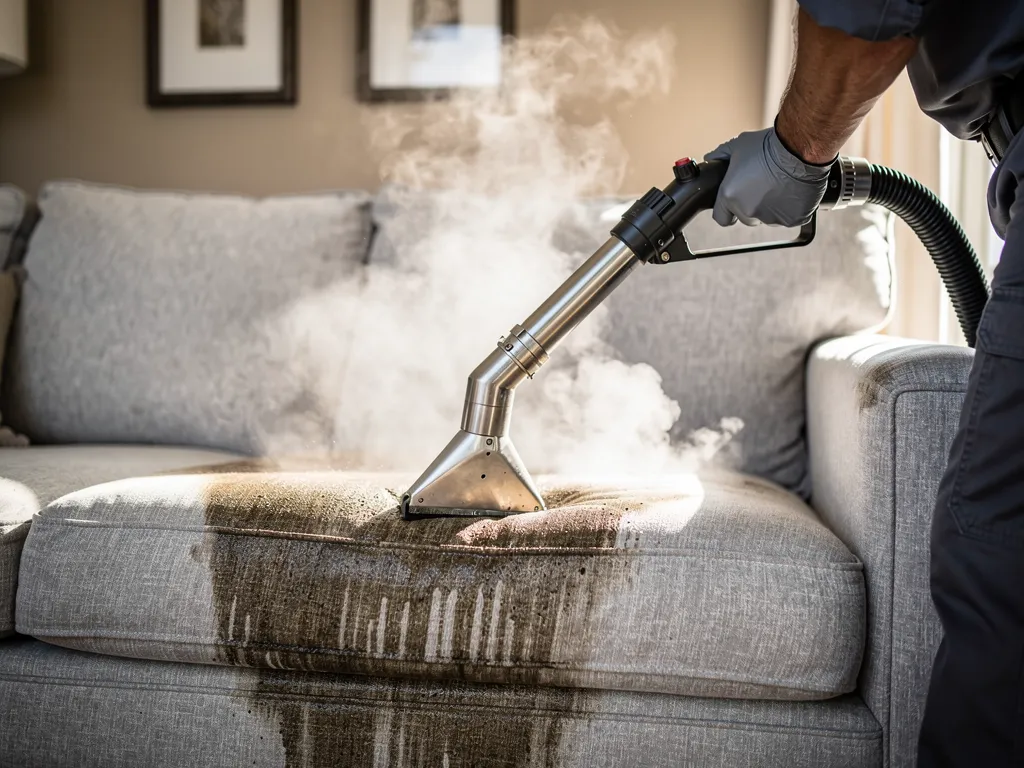
Veterans Cleaning Solutions LLC, based in Enterprise, AL, serves Alabama homeowners with upholstery stain removal using targeted pre-treatment, hot water extraction, and pH-balanced solutions suited to the state’s humidity. Technicians identify fabric type before applying spot treatment, preventing color bleeding and fiber damage while eliminating odors, allergens, and deep-set stains from furniture cushions and fabric surfaces across Alabama homes.
Upholstery cleaning codes (W, S, WS, or X) determine safe stain-removal methods before homeowners begin treatment. Alabama residents should vacuum first, then spot-test cleaners, and for stubborn or set-in stains, Veterans Cleaning Solutions LLC, an Enterprise, AL-based company serving Alabama, provides professional upholstery cleaning services for set-in stains.
Effective upholstery stain removal starts with checking the fabric care code, then vacuuming before treatment. Alabama’s humidity worsens mildew risk, so quick drying matters. Veteranscleaningsolutions.Com, guiding over 10,000 clients across thirteen years, recommends professional extraction for set-in pet, food, or oil stains that resist DIY spot-cleaning methods.
What do you need before starting upholstery stain removal?
Alabama homeowners tackling set-in spills need two essentials before applying any cleaner: the furniture’s cleaning code and a thorough vacuuming. Skipping these steps risks damaging fabric or grinding dirt deeper into fibers. Veterans Cleaning Solutions offers free consultations to help clients plan stain removal projects, ensuring the right approach from the start.
Why check the upholstery cleaning code first?
Every upholstered piece carries a manufacturer code. Typically W, S, WS, or X — that dictates which cleaning methods are safe. Using water on an S-coded fabric (solvent-only) causes shrinkage or discoloration. Alabama’s humid climate amplifies this risk, as moisture trapped in the wrong fabric invites mildew. Homeowners should locate the tag under cushions or on the frame before applying any product.
How does vacuuming prevent fiber damage?
Vacuuming upholstery before treating stains removes surface dirt that otherwise acts as an abrasive. Dirt doesn’t only affect the appearance of a sectional or loveseat — it can actually wear away upholstery fibers over time. Regular vacuuming extends fabric life and prevents embedded grime from interfering with spot treatments. Use a soft brush attachment to elevator debris without fraying threads.
| Preparation Step | Purpose | Alabama-Specific Risk |
|---|---|---|
| Check cleaning code | Prevents fabric damage | Humidity worsens water damage on wrong code |
| Vacuum thoroughly | Removes abrasive dirt | Reduces mildew risk from trapped moisture |
| Consult a professional | Ensures correct method | Avoids costly mistakes in humid conditions |
Veterans Cleaning Solutions recommends these steps as the foundation for any Stain Removal for Upholstery in Alabama project. A free consultation provides tailored guidance for fabric type. Stain age, helping homeowners avoid common pitfalls before reaching for a spray bottle.
How do you identify your upholstery fabric type?
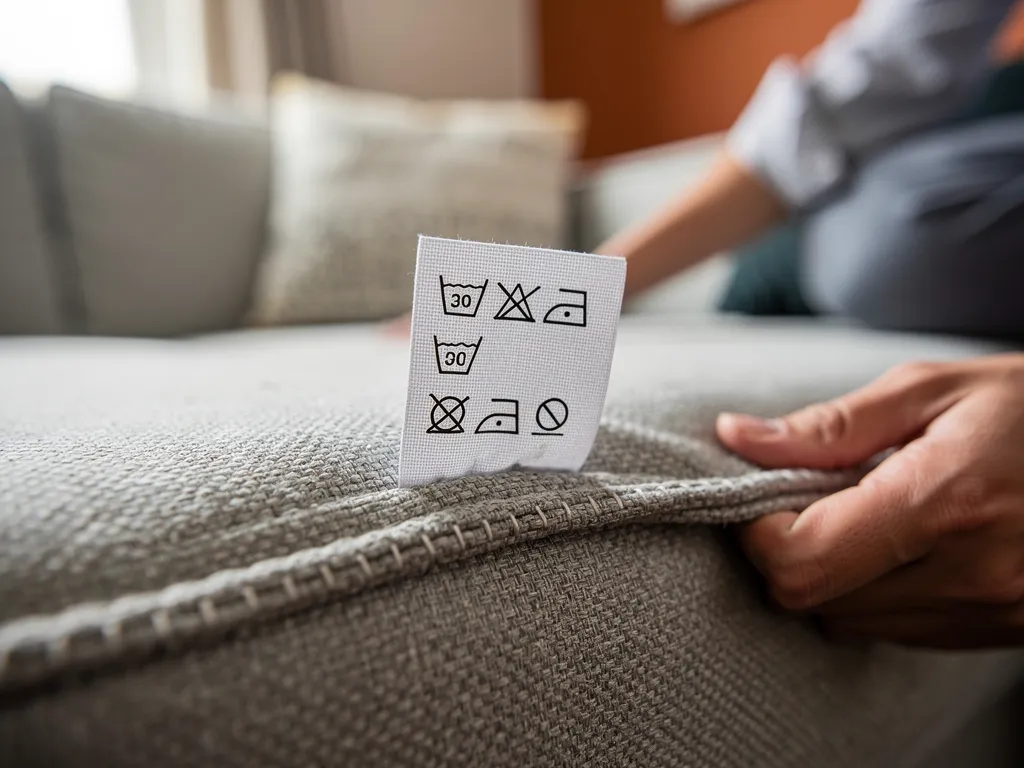
Identifying the couch fabric before any cleaning attempt determines whether the project succeeds or damages the piece. The fabric type dictates which cleaning agents and methods are safe to use. A wrong choice on a delicate material can ruin the upholstery permanently.
Stain Removal for Upholstery in Alabama starts with a simple inspection. Most sofas carry a manufacturer tag that lists a cleaning code. These codes range from “W” for water-based cleaning to “S” for solvent-only care. Home remedies often cause more damage than the original stain when applied to the wrong fabric. Many professional crews get called to fix problems created by DIY treatments that soaked the material or left detergent residue behind.
What do the upholstery cleaning codes mean?
The tag codes tell owners exactly which method is safe. A “W” code allows water-based cleaners. An “S” code requires dry-cleaning solvents. An “WS” code permits either approach. An “X” code means vacuum-only care.
How does a professional handle tricky fabrics?
Veterans Cleaning Solutions uses IICRC-certified methods to handle various upholstery fabrics safely. The certification ensures technicians match the correct technique to each material. For Alabama homeowners unsure about their fabric, a professional assessment prevents costly mistakes.
Follow these steps to identify the fabric:
- Locate the tag under the cushions or along the bottom seam.
- Read the cleaning code letter printed on the tag.
- Test any cleaner on a hidden area before treating the visible stain.
- Call a certified professional when the tag is missing or unreadable.
A quick tag check takes minutes. Skipping it risks permanent damage to a valuable piece of furniture.
What is the best way to loosen set-in stains?
Steam loosens old, set-in stains when the upholstery fabric allows water. Heat and moisture break down the bond between the stain and the fabric fibers, making the residue easier to elevator. This method works best on water-safe fabrics, so checking the manufacturer’s code comes first.
How does steam help break down old stains?
Steam penetrates deep into upholstery fibers, softening dried residue that regular spot cleaners cannot reach. The warmth reactivates the stain, pulling it toward the surface where a clean cloth can absorb it. This technique proves especially useful for Alabama homes, where humidity and heat can bake spills into fabric over time.
What should homeowners do before applying steam?
Check the upholstery cleaning code first. Fabrics marked “W” allow water-based cleaning, while “S” fabrics require solvent-based products. Vacuum the surface thoroughly before steaming to remove loose dirt that would otherwise turn into mud.
Stain Removal for Upholstery in Alabama starts with understanding that upholstery collects dust, dead skin, pet fur, pet dander, pollen, dirt, and other contaminants over time. cite-3 These particles embed themselves into fibers, making fresh stains harder to remove and old ones nearly impossible without proper preparation.
- Vacuum the entire piece, including crevices and under cushions.
- Test steam on a hidden area to confirm the fabric tolerates moisture.
- Hold a steam source several inches from the stain for 10-15 seconds.
- Blot the loosened stain with a clean, dry microfiber cloth.
- Repeat until the cloth picks up no more residue.
Professional cleaning every 12-18 months helps maintain upholstery and prevents set-in stains from becoming permanent. cite-3 Regular deep cleaning removes the embedded contaminants that attract new dirt and make future spills harder to treat.
How do you spot-clean old upholstery stains effectively?
Spot-cleaning old upholstery stains demands a targeted approach with appropriate cleaners rather than generic scrubbing. Alabama homeowners dealing with set-in spills from pets, children, or everyday life need a method that lifts the stain without damaging fabric fibers. The process requires identifying the upholstery cleaning code first, then applying the right technique for the stain’s age and composition.
What supplies are needed for spot-cleaning old stains?
A basic spot-cleaning kit includes a vacuum with upholstery attachment, white microfiber cloths, distilled water, and a mild pH-neutral cleaner. Alabama’s humid climate makes blotting essential — rubbing pushes stains deeper into cushion foam and fabric backing. For tougher, set-in stains, a heavy-duty stain remover becomes necessary to break down residues that standard cleaners cannot dissolve.
When should homeowners call a professional instead of DIY?
When DIY spot-cleaning fails to remove the stain or leaves a ring, professional upholstery cleaning restores the appearance of dining chairs, sofas, and ottomans so that they last longer. Stain Removal for Upholstery in Alabama often requires equipment that reaches deep into cushion layers where household methods cannot penetrate. Professionals use hot-water extraction and specialized detergents that flush out both the stain. The residue left by previous cleaning attempts.
The step-by-step process for spot-cleaning old stains:
- Vacuum the entire upholstered surface to remove loose dirt and debris before applying any liquid.
- Test the cleaner on a hidden area — inside a cushion seam or under the furniture — to confirm colorfastness.
- Blot the stain from the outer edge inward using a clean cloth dampened with the cleaning solution.
- Rinse the area with a cloth moistened with plain water to remove cleaning residue.
- Dry the spot thoroughly using a fan or open windows to prevent mildew growth common in Alabama’s humidity.
Heavy-duty stain removers work best when allowed to dwell for the manufacturer’s recommended time before blotting. Old stains may require two or three treatment cycles, with complete drying between each attempt.
When should you call a professional for upholstery stain removal?
Alabama homeowners should call a professional for upholstery stain removal when DIY methods fail to eliminate set-in stains or when the humid Southern climate creates a risk of mildew and lingering odors. The state’s high humidity makes improper stain removal particularly dangerous. Moisture trapped deep in upholstery fibers can lead to mold growth and persistent musty smells within 24 to 48 hours. Professional intervention becomes necessary when a stain has been treated with household products that leave behind sticky residues, which actually attract more dirt over time.
What warning signs indicate a stain needs professional treatment?
Several clear signals suggest a stain has moved beyond DIY capabilities. A dark ring or halo around the original spot indicates the stain has spread into surrounding fibers. Any lingering odor after cleaning, especially a sour or musty smell, means moisture remains trapped in the cushion padding. Visible discoloration that returns within days of cleaning also points to deeper contamination requiring professional extraction equipment.
How do professionals prevent the mildew problems common in Alabama homes?
Veterans Cleaning Solutions has guided more than 10,000 clients over the last thirteen years away from the pitfalls associated with uneducated cleaning contractors who leave moisture behind. cite-4 Professional upholstery cleaning uses truck-mounted hot-water extraction systems that remove a notable share or more of the cleaning solution and moisture from deep within cushions. This thorough drying process prevents the mildew and odor issues that plague Alabama homes when stains are only surface-cleaned.
The company offers a free guide, “How to Avoid Nightmare Cleaners: 8 Questions I Ask Before Hiring a Contractor,” to help homeowners evaluate professional options before committing to service. cite-4 For stains that have set for weeks or months. For upholstery in rooms with poor ventilation, professional Stain Removal for Upholstery in Alabama provides the only reliable path to a clean, odor-free result.
FAQ
What should you check before treating an upholstery stain?
Locate the manufacturer’s cleaning code (W, S, WS, or X) under cushions or on the frame, then vacuum thoroughly with a soft brush attachment to remove abrasive dirt before applying any cleaning product.
Why does Alabama’s humidity affect upholstery stain removal?
Trapped moisture in fabric invites mildew, especially when the wrong cleaning method is used for the fabric code. Quick drying matters, and professional extraction handles set-in stains without leaving excess moisture behind.
When should Alabama homeowners call a professional for upholstery stains?
For set-in pet, food, or oil stains resistant to DIY spot-cleaning, Veterans Cleaning Solutions LLC, an Enterprise, AL-based company serving Alabama, offers professional extraction and free consultations to guide the right approach.
Facts
- Veterans Cleaning Solutions LLC is located in Enterprise, AL, United States.
Conclusion
Successful upholstery stain removal in Alabama starts with preparation: check the manufacturer’s cleaning code, vacuum thoroughly, and always test a cleaner on a hidden area before treating a visible stain. From there, matching the technique to the fabric — whether that’s steam for set-in residue or careful blotting with a pH-neutral cleaner — makes the difference between lifting a stain and damaging the material. Alabama’s humidity adds urgency to every step, since trapped moisture can turn a simple spill into a mildew problem within days. When a stain resists DIY treatment, leaves a lingering odor, or keeps reappearing, it’s time to bring in a professional. Veterans Cleaning Solutions LLC offers free consultations and hot-water extraction service to Alabama homeowners, helping restore upholstery safely without the guesswork.
