
10 Safe Techniques to Erase Tough Carpet Stains Without Causing Damage: Best Carpet Stain Removers and Professional Tips
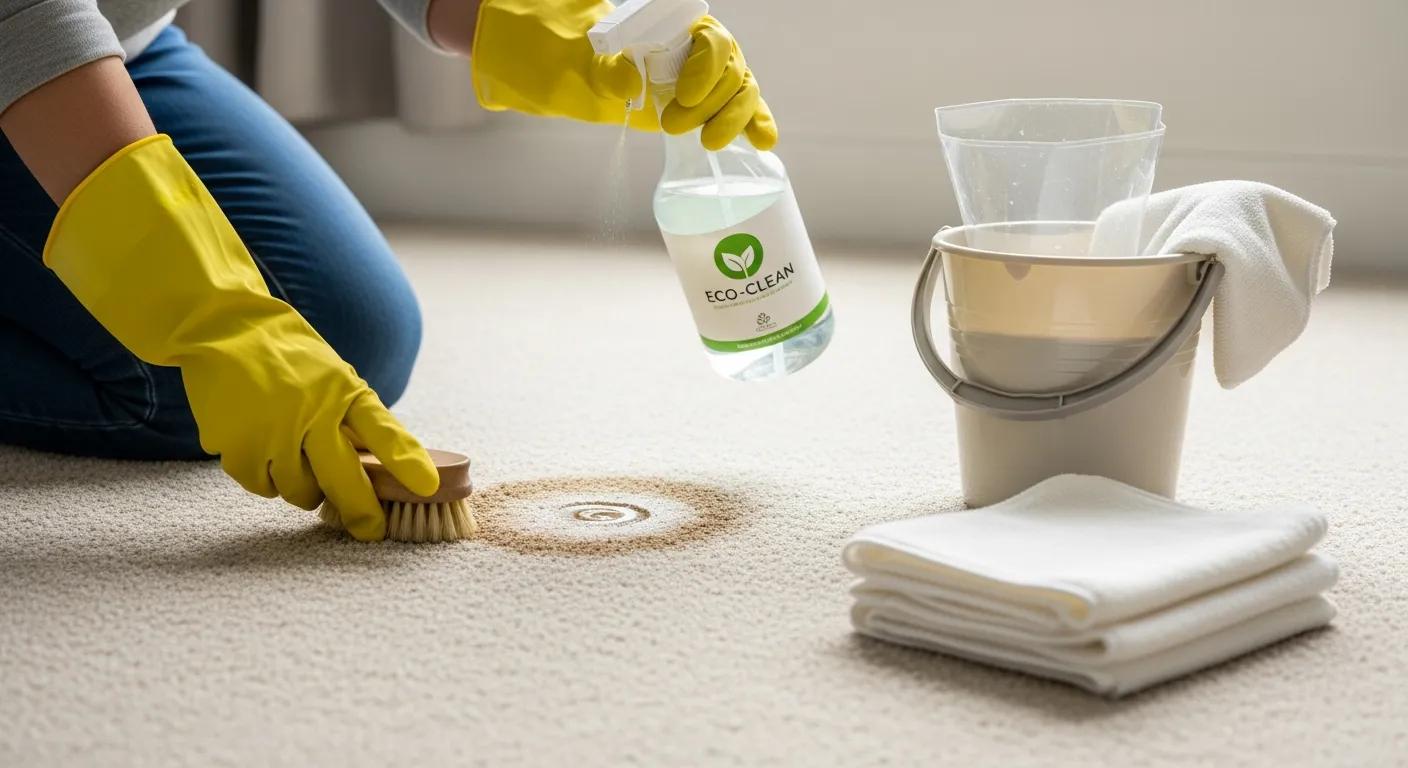
Tough stains can spoil your home’s appearance and harm carpet fibers if treated incorrectly. This guide summarizes safe, step-by-step removal techniques, practical care tips, and clear signs to call a professional.
What Are the Most Common Tough Carpet Stains and Their Challenges?
Different stains need tailored approaches based on their chemistry and how quickly they set.
- Red Wine: Sets fast into fibers; address immediately to avoid set-in color.
- Coffee: Dark pigments can leave marks if not treated while fresh.
- Pet Urine: Penetrates fibers and leaves odor; enzymatic cleaners are usually required.
Act quickly—fresh stains lift more easily. Correct identification helps you choose the safest method.
Which Stain Types Require Special Safe Removal Methods?
Use cold water for protein-based stains (blood, egg) and appropriate solvents for oil-based spots (grease, makeup). Always patch-test to prevent discoloration or fiber damage.
How Do Pet Stains Differ in Removal Difficulty?

Pet stains often soak in and leave lingering odors even after the visible spot looks removed; deeper cleaning and odor neutralization are usually needed.
Key steps:
- Immediate blotting: Absorb liquid quickly with a clean cloth to limit spread.
- Enzymatic cleaners: Use products that break down organic proteins and neutralize odor.
- Cold water rinse: Rinse to lift residues without setting protein stains.
What Are 10 Safe and Effective Techniques to Remove Carpet Stains?
Try these ten safe, commonly effective methods, and always patch-test first:
- Blot, don’t rub: Blot to avoid pushing stain deeper or fraying fibers.
- Use cold water: Best for protein and many everyday spills.
- Homemade solutions: Diluted vinegar-and-water works for many common spots.
- Baking soda: Deodorizes and helps lift damp stains when allowed to sit.
- Dish soap: Mild, diluted soap can remove greasy spots gently.
- Hydrogen peroxide: Use diluted for tough organic stains; patch-test first.
- Cornstarch: Absorbs fresh grease—apply, let sit, then vacuum.
- Club soda: Fizzes and lifts wine or soda spills effectively when blotted up.
- Professional products: Use carpet-specific stain removers for stronger results and safety.
- Steam cleaning: Hot-water extraction removes deep dirt without harsh solvents.
Work gently and patch-test an out-of-sight area before treating the full stain.
How Can Homemade Carpet Stain Removal Methods Protect Carpet Fibers?

Homemade mixes like diluted vinegar and baking soda are often gentler than harsh chemicals and can protect fibers when used correctly.
Always dilute, apply sparingly, and patch-test to avoid color changes or damage.
Homemade vs. Commercial Stain Removers: Efficacy & Safety
The study compared store-bought and home-prepared textile stain removers. Because of environmental and health concerns and the cost of commercial cleaners, some consumers make cleaners from kitchen materials. The study compared effectiveness on cotton and polyester fabrics. Results showed Commercial Brand 1 was most effective on cotton. On polyester, Commercial Brand 1 and vinegar with baking soda both showed encouraging results.
Comparison between homemade stain remover and commercial stain remover for textiles, 2021
Which Eco-Friendly Products Are Best for Safe Stain Removal?
Choose biodegradable, plant-based, and enzymatic cleaners labeled safe for carpets to reduce fumes and fiber abrasion.
- Biodegradable cleaners: Break down naturally and reduce environmental impact.
- Plant-based solutions: Avoid harsh synthetic solvents.
- Enzymatic cleaners: Best for organic stains and odor control.
Enzymes often work at lower temperatures and improve cleaning performance on organic soils.
Enzymes in Detergents: Efficacy & Environmental Benefits
Enzymes have driven improvements in household and industrial detergents. Major classes—proteases, lipases, amylases, and cellulases—each target specific soils. Proteases were first widely used in laundry detergents and helped reduce energy use by enabling lower temperatures and shorter cycles. Lipases and amylases improve cleaning at lower temperatures and different pH levels. Cellulases help maintain fabric appearance. Enzymes are produced by fermentation using renewable resources.
The role of enzymes in modern detergency, 1998
When Should You Choose Professional Carpet Cleaning Services in the Wiregrass Area?
Call a professional when surface spot treatments fail or when stains and odors run deeper than DIY methods can reach.
- Persistent stains: After repeated home attempts without improvement.
- Odors: Lingering smells that don’t respond to spot treatment.
- High-traffic areas: Heavily soiled zones that need deep extraction.
Veterans Cleaning Solutions LLC offers professional carpet cleaning services in the Wiregrass area using safe, tailored methods.
What Are the Benefits of Professional Carpet Cleaning Techniques?
Professionals remove deep-embedded soil and restore appearance with equipment and experience most homeowners lack.
- Deep cleaning: Extracts dirt and embedded stains better than spot-cleaning alone.
- Expert knowledge: Technicians match methods to carpet and stain type.
- Time-saving: Faster, safer results for large or stubborn jobs.
Routine professional care extends a carpet’s useful life and maintains appearance.
How to Find Reliable and Safe Carpet Cleaning Contractors Locally?
Vet contractors before hiring to ensure quality and protection.
- Research: Read local reviews and ratings.
- Ask for recommendations: Get referrals from friends or neighbors.
- Check credentials: Verify licensing, insurance, and guarantees.
Confirm cleaning methods, warranties, and damage policies before booking.
How Can You Avoid Carpet Damage and Choose the Right Cleaning Products?
Use compatible products and always test in an inconspicuous area first.
- Read labels: Match products to your carpet fiber and backing.
- Test first: Patch-test for colorfastness and fiber reaction.
- Avoid harsh chemicals: Skip bleach, ammonia, and unmarked solvents.
What Are the Risks of Using Bleach and Harsh Chemicals on Carpets?
Bleach and strong solvents can irreversibly discolor fibers, weaken pile, and release harmful fumes.
- Color damage: Bleach can remove dye permanently.
- Fiber weakening: Harsh agents shorten carpet life.
- Health hazards: Fumes can irritate occupants, especially in poor ventilation.
What Tips Help Pet Owners Maintain Stain-Free Carpets Safely?
Consistent habits and the right products reduce stains and odors.
- Regular cleaning: Vacuum and treat spots promptly.
- Use pet-safe products: Enzymatic cleaners are best for accidents.
- Immediate action: Blot and treat as soon as accidents occur.
Frequently Asked Questions
What are the best ways to prevent carpet stains before they happen?
Vacuum often, use area rugs in busy zones, adopt a no-shoes rule, and blot spills immediately.
How can I tell if a stain is permanent or if it can be removed?
Fresh stains respond best; if multiple appropriate treatments fail, consult a pro for assessment.
What should I do if my carpet is damaged during cleaning?
Photograph the damage and contact the cleaner promptly to review insurance or remediation options.
Are there any specific products I should avoid when cleaning carpets?
Avoid bleach, ammonia, and unmarked solvents; choose carpet-safe or eco-friendly products instead.
How can I maintain my carpet’s appearance between professional cleanings?
Vacuum regularly, blot spills quickly, use protectors in high-traffic areas, and rotate furniture.
What are the benefits of using eco-friendly carpet cleaning products?
They reduce harmful fumes, are often biodegradable, and tend to be gentler on fibers and indoor air.
How can I effectively remove pet stains and odors from my carpet?
Blot liquids, apply an enzymatic cleaner, rinse if needed, and use baking soda for persistent odors before vacuuming.
What are the best ways to prevent carpet stains before they happen?
Use rugs, enforce a no-shoes policy, vacuum regularly, and protect high-traffic areas.
How can I tell if a stain is permanent or if it can be removed?
Try targeted cleaning; if the mark persists after correct methods, it may be set and need professional treatment.
What should I do if my carpet is damaged during cleaning?
Document the damage, contact the cleaning company, and review their insurance or damage policy for remedy.
Are there any specific products I should avoid when cleaning carpets?
Steer clear of bleach, ammonia, and general solvents not labeled for carpet use.
How can I maintain my carpet’s appearance between professional cleanings?
Regular vacuuming, immediate spot care, area rugs, and rotating furniture help preserve appearance.
What are the benefits of using eco-friendly carpet cleaning products?
They lower chemical exposure, are often plant-based or biodegradable, and are gentler on indoor air.
How can I effectively remove pet stains and odors from my carpet?
Blot liquid, treat with an enzymatic cleaner, rinse if necessary, and deodorize with baking soda before vacuuming.
What are the best practices for maintaining carpets between professional cleanings?
Vacuum frequently, blot spills promptly, use protectors and rugs, and rotate furniture to avoid uneven wear.
How can I safely test a new carpet cleaning product?
Patch-test in an inconspicuous area, let it dry, and check for discoloration before broader use.
Are there specific cleaning techniques for different carpet materials?
Synthetic fibers tolerate stronger cleaning and steam; natural fibers like wool need gentler, low-temperature care per manufacturer instructions.
What should I do if my carpet has a persistent odor after cleaning?
Dry thoroughly, use baking soda to absorb odors, and call a professional if the smell remains.
How can I prevent my pets from staining the carpet?
Maintain a cleaning routine, use pet-safe cleaners, train pets to use designated areas, and protect floors with washable covers.
What eco-friendly options are available for carpet cleaning?
Biodegradable, plant-based, or enzymatic products are common; vinegar-and-baking-soda mixes work for many stains.
How can I effectively remove old stains from my carpet?
Identify the stain type, use the appropriate method (cold water for protein; solvent for oil), blot gently, and call a pro for set-in marks.
Conclusion
You can remove many tough stains while protecting fibers by using safe methods and eco-friendly cleaners—call professionals for deep-set or persistent problems.
Conclusion
Patch-test products first, act quickly on spills, and consult a professional when stains or odors persist to preserve appearance and lifespan.
Conclusion
Using safe techniques and suitable products will help keep carpets clean and vibrant. Homemade solutions often work for common spills; professional services are recommended for stubborn or deep-set stains. Follow these tips to protect fibers and extend carpet life.
