How to Choose the Best House Washing Service for Your Home — Practical Tips from Veteran’s Cleaning Solutions
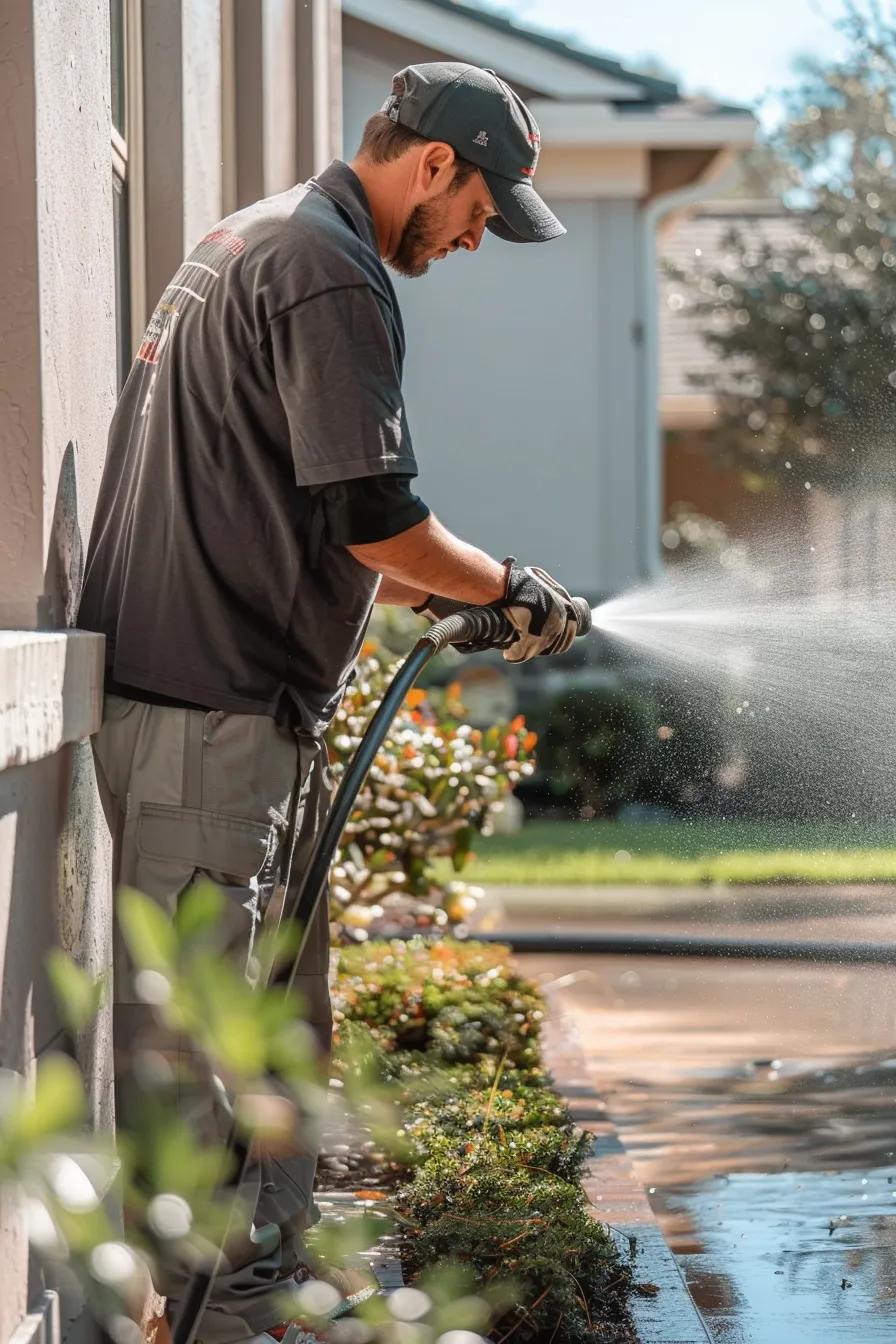
Picking the right house washing team protects siding, preserves curb appeal, and prevents costly mistakes from improper cleaning. This guide walks you through what professional house washing actually does, the real differences between soft wash and pressure wash, and why the right method matters for each siding type. We explain how contractors price jobs, which qualifications and insurance you should insist on, and simple prep steps that help the crew deliver better results. You’ll also get timing recommendations based on climate and visible biological growth, plus a practical checklist for comparing contractors—so homeowners and facility managers can choose a service that balances results, safety, and cost.
What Are the Most Effective House Washing Methods?
House washing typically uses one of two approaches: chemical‑assisted low‑pressure cleaning (soft washing) or high‑pressure mechanical cleaning (pressure washing). Soft wash breaks down organic soils with detergents and biocides, then rinses them away at low pressure. Pressure wash uses high PSI to blast off dirt and stains. Which method is right depends on surface material, its condition, and nearby landscaping—so you avoid collateral damage. Below is a clear comparison to help you match method, use case, and risk.
Use the table below to compare the two primary approaches and decide which fits your siding and maintenance goals.
| Method | Pressure Level / Mechanism | Typical Use Cases | Risk to Materials |
|---|---|---|---|
| Soft wash | Low‑pressure spray + detergents and biocides | Vinyl siding, painted wood, stucco, roof algae removal | Low risk when applied by trained technicians |
| Pressure wash | High‑pressure water (mechanical force) | Driveways, sidewalks, concrete, some masonry | Medium–high risk for delicate siding and painted surfaces |
| Hybrid approach | Targeted soft wash with low‑pressure rinses | Properties with mixed materials requiring both methods | Lowered risk when a professional tailors the approach |
In short: soft washing protects delicate surfaces, pressure washing restores hardscape, and hybrid strategies are common for mixed‑material properties.
What Is Soft Wash House Cleaning and What Are Its Benefits?

Soft wash combines low pressure with specialty solutions—surfactants, detergents, and safe biocides—to remove mold, mildew, algae, and organic stains. The chemistry breaks biological bonds so contaminants rinse away without high PSI that can strip paint or push water under siding. Benefits include longer control of regrowth, less risk of surface etching, and compatibility with painted surfaces, vinyl, and stucco. Knowing how soft wash works helps you pick a provider that puts material preservation first.
With that foundation, it’s easy to see where pressure washing is the better choice for tougher hardscape tasks.
How Does Pressure Washing Compare to Soft Washing for Residential Homes?
Pressure washing uses concentrated water force—high PSI delivered through nozzles—to remove ingrained grime, efflorescence, and heavy staining from concrete, pavers, and some brick. It’s fast and effective on driveways and walkways, but the same force can damage wood clapboard, peel paint, or force water into seams on poorly sealed exteriors. Pressure washing is best for solid hardscape; fragile siding usually fares better with soft wash. Choosing the right method means weighing immediate cleanliness against long‑term material health.
Those method differences lead directly into the cost factors that shape professional quotes, which we cover next.
How Much Does a Professional House Washing Service Cost?
Costs vary by property size, surface materials, chosen method, and access or safety needs—there’s no one fixed price per house. Common pricing drivers are square footage, siding type, multi‑story access, roof complexity, and add‑ons like gutter or window cleaning. Knowing these drivers lets you request itemized quotes and compare bids fairly. The table below explains the main cost influences and how they typically affect price.
Use this table to understand common cost drivers and read estimates more accurately.
| Cost Factor | Attribute | Typical Impact on Price |
|---|---|---|
| Square footage | Surface area to be cleaned | Larger homes take more time—price increases proportionally |
| Material type | Porosity and fragility (vinyl, stucco, wood) | Fragile or porous materials require special care and raise costs |
| Accessibility | Height, steep roofs, scaffolding needs | Extra safety gear and labor time increase the quote |
| Additional services | Gutters, windows, roof cleaning | Each add‑on typically adds a percentage to the base price |
Square footage and access are usually the strongest price drivers; add‑ons raise the final total incrementally.
Next are practical tips to help you get accurate, comparable quotes and avoid surprises.
What Factors Influence House Washing Service Costs?
Pricing depends on several clear variables: the home’s surface area determines time on site, materials dictate the method and chemicals needed, and access challenges (height, landscaping, narrow paths) increase labor and safety requirements. Condition matters—heavily soiled surfaces need longer dwell times or repeat passes. Seasonal demand and local market rates also affect price, while written guarantees can add value without a large cost jump. Understanding these factors lets you ask the right questions during estimates and anticipate reasonable price differences.
Those cost drivers suggest a practical checklist for getting comparable bids, which we outline next.
How to Get Accurate Quotes for Residential Power Washing?
Ask for itemized quotes that separate surface area pricing, the chosen method (soft wash vs. pressure), and any add‑ons like gutter or roof cleaning. Require proof of insurance and a description of safety measures for elevated work, and request before/after photos or references for similar jobs. Schedule a site visit so contractors can assess access and visible damage that affects labor. Itemized comparisons reduce ambiguity and make it easy to compare like‑for‑like offers.
Documenting quote details and validating credentials naturally leads into vetting qualifications and spotting red flags.
What Should You Look for When Hiring Exterior House Cleaners?
Prioritize licensing (if required locally), general liability and workers’ compensation insurance, and industry certifications that show technicians follow safe cleaning practices. Insurance and certifications reduce homeowner risk for property damage and worker injury—and they show a professional approach to standards. Also check recent reviews, before/after photos, and references. The table below summarizes which qualifications lower risk and what to request during vetting.
Use this comparison to focus your vetting process on the qualifications that matter most.
| Qualification | What to Verify | How It Reduces Risk |
|---|---|---|
| Insurance | Liability and workers’ comp certificates | Protects you from claims and covers accidental damage |
| Certifications | Training credentials and industry badges | Shows trained staff and safer cleaning practices |
| Commercial experience | References for larger properties or portfolios | Demonstrates capacity for complex, scaled projects |
| Guarantees | Written service guarantees or warranties | Gives you recourse if the work is incomplete or unsatisfactory |
Insurance and certifications are practical protections; commercial experience signals an ability to handle bigger, more complex jobs.
Veteran’s Cleaning Solutions is a Service‑Disabled Veteran‑Owned Small Business (SDVOSB) serving commercial clients with tailored interior and exterior cleaning, including Commercial Exterior Cleaning and Post‑Construction Cleaning. We’re a certified, insured firm listed as a BBB Accredited Business with an A+ rating and an IICRC Certified Firm—credentials that matter when you need consistent, professional results.
Those credentials explain why verifying qualifications is central to reducing procurement risk. Next we’ll show how to read reviews and judge service quality.
Why Are Licensing, Insurance, and Certifications Important?
Licensing, insurance, and industry certifications shift certain risks to the contractor’s insurer and confirm that technicians have training in safe chemical handling and cleaning methods. Liability insurance covers accidental property damage; workers’ compensation protects against on‑site injuries. Certifications from recognized bodies show adherence to standards and ongoing training. Asking for documentation during the estimate phase clarifies risk allocation and helps set expectations for accountability.
Knowing what to check for in credentials makes it easier to read customer reviews, which we cover next.
How to Evaluate Customer Reviews and Service Quality?
Look for recent, local reviews that mention reliability, communication, and quality of results. Before/after photos are a strong visual proof point; also notice how a company responds to negative feedback—professional, prompt responses are a good sign. For larger jobs, call references to ask about scheduling, cleanup thoroughness, and warranty follow‑through. Combine credential checks with review patterns to form a clear picture of likely service quality.
With a solid vetting process in place, it’s time to plan how often to schedule house washing for long‑term maintenance.
How Often Should You Schedule House Washing for Optimal Maintenance?
Frequency depends on local climate, nearby vegetation, and siding material. As a rule of thumb, most homes benefit from an annual cleaning; humid or heavily shaded properties may need biannual service. Humidity and overhanging trees speed organic growth and staining, so more frequent cleanings prevent buildup that shortens material life. Regular washing preserves appearance and helps siding and roof materials last longer by removing moisture‑holding organisms. Below are sample schedules and signs that indicate you need cleaning sooner.
Use these sample schedules as a starting point to build a maintenance plan tailored to your climate and siding.
- Annual cleaning for most climates and well‑exposed exteriors.
- Biannual cleaning for humid, coastal, or heavily shaded properties.
- Spot cleaning after storms, heavy pollen seasons, or visible staining events.
These recommendations give you a baseline—next we list clear signs that should trigger immediate cleaning.
What Are the Signs Your Home Needs Exterior Cleaning?
Common signs include dark streaks or black lines on siding and roofs (mold or algae), green staining in shaded areas, and hardscape dirt that won’t rinse away. Functional indicators include clogged gutters that don’t drain and slippery walkways that create hazards. Indoor clues—like increased allergy symptoms or musty odors near exterior walls—can also point to biological growth. Catching these signs early makes cleaning easier and prevents longer‑term damage.
Recognizing these indicators helps you match cleaning frequency to climate and materials, which we explain next.
How Do Climate and Siding Materials Affect Cleaning Frequency?
Climate factors—humidity, rainfall, temperature swings, and proximity to vegetation or coastal salt—drive organic growth and staining, so coastal and humid areas typically need more frequent washing. Siding varies in porosity and sensitivity: vinyl and painted wood attract organic stains but respond well to soft wash; porous masonry may need different chemistry or occasional pressure washing for efflorescence. Shade and tree cover retain moisture and debris, shortening the interval between cleanings. Matching method and schedule to local conditions protects materials and delivers the best results.
Understanding frequency and method shows why professional services are valuable; next we summarize the main homeowner benefits.
What Are the Key Benefits of Professional Residential House Washing?
Professional house washing restores curb appeal, prevents material deterioration, and reduces health risks by removing mold, mildew, and allergens from exterior surfaces. Pros use the right method—soft wash for delicate siding, pressure wash for hardscape—along with trained technicians who know chemical selection, dwell times, and safety protocols. The result: a more attractive property, fewer repair needs, and a safer environment. Below are the most actionable homeowner benefits.
- Curb Appeal: A clean exterior boosts how your home looks and shows it’s well cared for.
- Material Longevity: Removing corrosive biological growth helps siding and trim last longer.
- Health and Safety: Eliminates allergens and slippery buildup on walkways and entries.
These homeowner benefits also explain why some clients prefer firms with commercial capabilities and certifications—especially for larger properties or higher standards.
Veteran’s Cleaning Solutions brings commercial‑grade exterior cleaning experience to residential work when appropriate, offering tailored interior and exterior services. As an SDVOSB that’s certified and insured—with BBB accreditation and IICRC recognition—we deliver reliable results for homeowners and facility managers alike.
How Does House Washing Improve Curb Appeal and Property Value?
A freshly cleaned exterior signals good maintenance and attracts buyers by presenting a well‑kept home. Brighter siding, streak‑free windows, and clean walkways improve listing photos and reduce buyer concerns about deferred maintenance. While dollar‑for‑dollar value varies by market, cleaning is a low‑cost way to strengthen first impressions—schedule a wash before showings or open houses to maximize appeal.
Next are the health and safety benefits, which protect occupants and reduce liability on hardscape areas.
What Health and Safety Advantages Does Regular Cleaning Provide?
Regular cleaning removes mold, mildew, and pollen that can worsen allergies and affect outdoor air near vents and windows. Cleaning hardscapes removes slippery algae and oil, lowering fall risks and potential liability. Routine inspections during cleaning also catch early signs of damage—cracked caulk, roof issues, or failing gutters—so you can address problems before they escalate. Professional washing is a preventive maintenance step that improves comfort and reduces risk.
With benefits covered, the final operational step is preparing your home for a service visit; see the guidance below.
How to Prepare Your Home for a House Washing Service?

Preparing your property before the crew arrives saves time, lowers risk, and lets the team focus on cleaning. Start with a day‑before checklist: move vehicles, clear toys and décor from work areas, and alert neighbors if runoff might affect shared spaces. On the day of service, secure pets, close windows and vents, and point out delicate plants or fragile fixtures. Below are timed tasks and protective steps to ensure a smooth job.
Use the checklist below to streamline the crew’s work and protect your property.
- Day‑before: move cars, remove wall‑mounted decorations, trim low branches near work zones.
- Day‑of: secure pets, close windows/vents, unplug sensitive outdoor electronics.
- Communication: mark delicate plants, note problem areas, and confirm the contractor’s access plan.
These steps reduce delays and help crews protect landscaping and fragile features during cleaning.
What Should You Do Before the Cleaning Crew Arrives?
The day before service, clear driveways and move patio furniture and fragile items out of the work area to avoid overspray. Water plants lightly if crews will use detergents that could dry foliage, or ask the crew which areas they’ll protect. Make a short list of problem spots—stains, cracked siding, or gutter issues—and share it with the crew so they use the right method. Clear access instructions and a designated point of contact speed the job and reduce surprises.
Calling out sensitive items and protection needs leads into specific measures for plants and equipment described next.
How to Protect Plants, Outdoor Furniture, and Sensitive Areas?
Cover delicate landscaping with plastic sheeting or waterproof tarps and move potted plants away from immediate work zones when possible. Rinse or water plants after service if cleaning solutions touch foliage, and cover electrical outlets and outdoor electronics to prevent water ingress. For fragile surfaces—antique woodwork or delicate lighting—mark them and request low‑pressure rinses or hand cleaning. Confirming protection steps in advance reduces plant stress and minimizes cosmetic damage to outdoor assets.
Proper preparation ensures a safe, long‑lasting clean and completes the practical side of hiring a professional house washing service.
Commercial Cleaning: Pressure Washing, Hydro-blasting, and UHP Jetting
A practical examination of cleaning, restoration, and surface rehabilitation using pressure‑washing, hydro‑blasting, and ultra‑high‑pressure water jetting (UHP).
Commercial‑industrial cleaning, by pressure‑washing, hydro‑blasting and UHP‑jetting: The business operating model and how‑to manual for 450 specific …, 2012
Frequently Asked Questions
What should I do if I notice mold or algae on my home?
Address mold and algae quickly to prevent spread. For small patches, a soft wash is often effective; extensive growth usually needs professional treatment. Contact a company experienced with soft washing so the siding isn’t damaged. After cleanup, set a maintenance interval based on your climate and nearby vegetation to reduce recurrence.
Can I perform house washing myself, or should I hire a professional?
DIY is possible, but professionals bring training, equipment, and judgment that reduce the risk of damage. Pros select the right method and chemistry for your materials, handle chemicals safely, and spot issues that may need repair. For multi‑story homes, fragile siding, or heavy buildup, hiring a pro is usually the safer choice.
How can I find a reputable house washing service?
Ask neighbors and local property managers for recommendations, read recent reviews on Google or Yelp, and request references and before/after photos. Confirm licensing and insurance, and get multiple itemized quotes. A reputable provider will be transparent about methods, pricing, and guarantees.
What are the risks of not cleaning my home’s exterior regularly?
Neglect can lead to material deterioration, permanent staining, and higher repair costs. Organic growth holds moisture against surfaces, accelerating decay and reducing curb appeal. Dirt and pollen can also affect indoor air quality. Regular cleaning preserves appearance and helps avoid costly maintenance down the road.
Are there any environmental concerns with house washing?
Yes—chemicals and runoff can impact plants and stormwater. Choose providers who use biodegradable, environmentally responsible detergents and who take precautions to control runoff. A responsible company will protect nearby vegetation and avoid discharging cleaning solutions into storm drains.
What time of year is best for house washing?
Spring and fall are generally ideal: spring removes winter grime, and fall clears pollen before winter. Avoid extreme heat (solutions dry too fast) and freezing conditions (risk of ice). Mild, dry weather gives the best results and protects exterior materials.
Conclusion
The right house washing service keeps your home looking great and protects its finish for years. Understand the difference between soft wash and pressure wash, ask for itemized quotes and proof of insurance, and prepare your property for the crew to get the best possible outcome. Regular, professional cleaning prevents costly repairs and boosts curb appeal—when you’re ready, reach out to Veteran’s Cleaning Solutions for a dependable, certified approach to exterior care.
