

Protecting your stone flooring keeps your home looking great and prevents costly repairs. Spotting dullness or scratches early can save money and preserve your floors’ appearance. This article outlines the key signs that mean your floors may need honing or polishing. From lack of shine to deeper issues like etching, we explain stone floor maintenance. Learn what honing and polishing do, how they extend floor life, and simple tips to keep surfaces looking their best. We also point to trusted restoration services when you need expert help.
What Are the Common Signs That Your Stone Floor Needs Honing or Polishing?
Knowing the warning signs helps you protect your floors. Look for dull patches and surface scratches that lessen appearance and value, and address them early to prevent further deterioration.
How Can You Detect Dullness and Scratches on Stone Flooring?
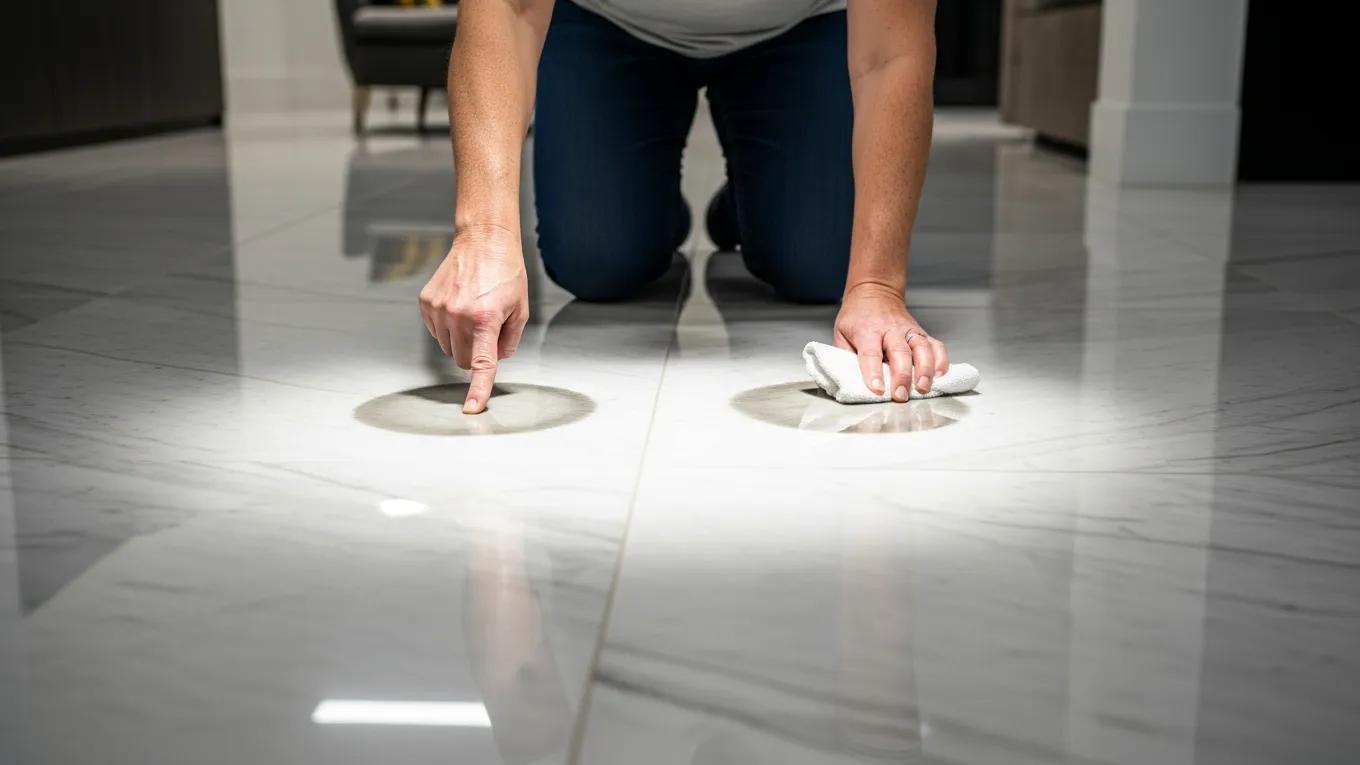
Inspect floors under good light and watch for areas that don’t reflect shine—those spots often mean the protective finish is gone. Wipe suspect areas with a white cloth; if it picks up grime or shows abrasion marks, the surface likely needs attention. Regular checks keep problems from getting worse.
What Are Other Damage Symptoms Like Etching or Surface Wear?
Etching appears as cloudy or hazy patches caused by acidic spills like vinegar or citrus. Surface wear shows as fine scratches or thin spots that stain more easily. Spotting these signs early lets you plan timely repair and protection.
How Do Honing and Polishing Improve the Appearance and Longevity of Stone Floors?
Honing and polishing improve both appearance and durability: honing grinds away scratches to restore a smooth surface, while polishing adds shine and a protective layer. Knowing the difference helps you choose the right maintenance at the right time.
What Is Stone Floor Honing and When Is It Recommended?
Honing is a restorative grinding process for rough or visibly scratched stone. It removes the damaged top layer and reveals fresh stone beneath. For most homes, plan honing every 1–3 years depending on foot traffic.
How Does Polishing Enhance Stone Flooring Compared to Honing?

Polishing deepens the shine and helps protect the surface. It’s less aggressive than honing and can be done more often—typically every 6–12 months, based on use and care.
What Professional Stone Floor Maintenance Tips Help Prevent Dullness?
Clean regularly to remove dust and grime that dulls stone. Use pH‑neutral cleaners to protect the finish and avoid products that strip or damage the surface.
- Regular Sweeping: Remove dirt and debris to prevent scratches.
- Use Appropriate Cleaners: Acidic cleaners can harm stone surfaces—opt for pH-neutral options.
- Immediate Spill Cleanup: Address spills quickly to avoid etching.
Which Cleaning Practices Protect Stone Surfaces from Damage?
Place mats at entry points to limit dust and dirt tracked inside. Use furniture pads under heavy items to prevent scratching and surface wear.
How Often Should Stone Floors Be Professionally Honed or Polished?
Generally, have floors professionally honed every 1–3 years and polished about once a year; adjust the schedule for higher foot traffic or heavier use to get the best results.
Why Choose Veterans Cleaning Solutions LLC for Stone Floor Honing and Polishing in Wiregrass?
Veterans Cleaning Solutions LLC provides local experience in stone floor restoration and delivers quality honing and polishing tailored to your floors.
What Makes Veteran-Owned Services Reliable for Stone Floor Restoration?
Hiring a veteran‑owned service often means professional work grounded in integrity. Veterans Cleaning Solutions prides itself on workmanship that improves your floors’ performance and longevity while supporting the local community.
How Can You Schedule Expert Honing and Polishing Services Locally?
Visit their website or contact Veterans Cleaning Solutions for a consultation. Their team will assess your floors and recommend a tailored plan.
| Service | Description | Contact Information |
|---|---|---|
| Stone Floor Honing | Restores and smooths the surface, removing scratches. | Visit veteranscleaningsolutions.com |
| Stone Floor Polishing | Enhances shine and adds a protective layer against wear. | Visit veteranscleaningsolutions.com |
| Professional Assessment | Evaluates the state of flooring and recommends necessary services. | Visit veteranscleaningsolutions.com |
Choosing the right services from Veterans Cleaning Solutions can extend your floors’ life while keeping them functional and attractive.
Frequently Asked Questions
What is the difference between honing and polishing stone floors?
Honing and polishing serve different roles. Honing grinds the surface to remove scratches and smooth the stone—best for visible damage. Polishing boosts shine and adds a protective layer. Polishing is usually done more often, commonly every 6–12 months, to maintain the glossy look.
Can I hone or polish my stone floors myself?
DIY honing or polishing is possible, but professionals are recommended. They have the right tools and experience to avoid uneven surfaces or new scratches. Pros can assess the floor and choose the correct techniques and products for safe, effective restoration.
How do I know if my stone floor has etching?
Etching shows as cloudy, hazy patches from acidic spills like vinegar or citrus. These areas stand out under light. Wiping the spot with a damp cloth can reveal dull areas that may be etched. Early detection lets you arrange restoration before damage worsens.
Are there specific products I should use to clean my stone floors?
Use pH‑neutral or stone‑specific cleaners to avoid harming the surface. Acidic or abrasive products can strip finishes and cause etching. Regular sweeping and soft mops also help prevent scratches and keep floors looking their best.
What factors affect how often I should have my floors honed or polished?
Frequency depends on foot traffic, activities around the floors, and your maintenance routine. High-traffic areas need service sooner. Consistent cleaning and quick spill cleanup can lengthen the time between professional visits.
How can I prevent slippery stone floors after polishing?
To reduce slipperiness after polishing, use anti‑slip treatments made for stone that improve traction without dulling the shine. Keep the surface clean and place rugs or mats in busy spots for extra grip.
Conclusion
Keeping your stone flooring polished preserves its beauty and extends its lifespan. By spotting dullness and scratches early, you can restore surfaces before damage deepens. Trust Veterans Cleaning Solutions for expert assessment and restoration tailored to your needs. Take the first step toward revitalizing your flooring by exploring their services today!
