Professional Carpet Cleaning Odor Removal Time: How Long Before Odors Are Completely Eliminated?
A professional carpet clean freshens your home and can improve indoor air quality. This article provides a realistic timeline for odor removal, the main factors that affect results, and practical steps to speed recovery. It also explains why choosing a trusted provider like Veterans Cleaning Solutions LLC helps ensure reliable results.
What Is the Typical Odor Elimination Timeline After Professional Carpet Cleaning?
Most household odors fade visibly within 24–48 hours after a professional cleaning, though timing varies by odor source, carpet fiber, and method used. Professionals target deep-set smells and use equipment and products that improve the chance of a quick, lasting result.
How Long Does It Take for Carpet Odors to Disappear?
Odor duration depends on a few key factors:
- Type of Odor: Strong smells like pet urine or smoke often need extra or repeated treatments.
- Carpet Material: Natural fibers can hold odors longer than many synthetics.
- Cleaning Method Used: Steam (hot water extraction) usually penetrates deeper than dry methods and often speeds odor removal.
Knowing these basics helps set realistic expectations after a service.
What Factors Affect How Quickly Carpet Odors Are Removed?

Environmental and treatment conditions influence how fast odors dissipate:
- Humidity Levels: High humidity slows drying and can prolong smells.
- Air Circulation: Good airflow from open windows or fans speeds drying and clears odors.
- Type of Cleaning Products: Professional-grade or enzymatic products neutralize odors more effectively than basic cleaners.
Addressing those conditions after cleaning helps odors fade faster.
Research also shows temperature and other environmental factors directly affect VOC emissions and carpet odors.
Carpet VOC & Odor Emissions: Impact on Indoor Air
Carpets influence VOC and odor emissions, which can affect occupants’ physical and mental health. This study examined VOC emissions and odor characteristics of vehicle carpets and how temperature alters those emissions (Effect of temperature on VOC emissions and odor from vehicle carpet, 2023).
How Do Cleaning Methods and Equipment Impact Odor Removal?
Method and equipment matter. Below is a concise comparison of common approaches:
| Cleaning Method | Effectiveness | Equipment Used |
|---|---|---|
| Steam Cleaning | High | Hot water extraction machines |
| Dry Cleaning | Moderate | Dry cleaning solvents |
| Bonnet Cleaning | Low | Rotary machines with absorbent pads |
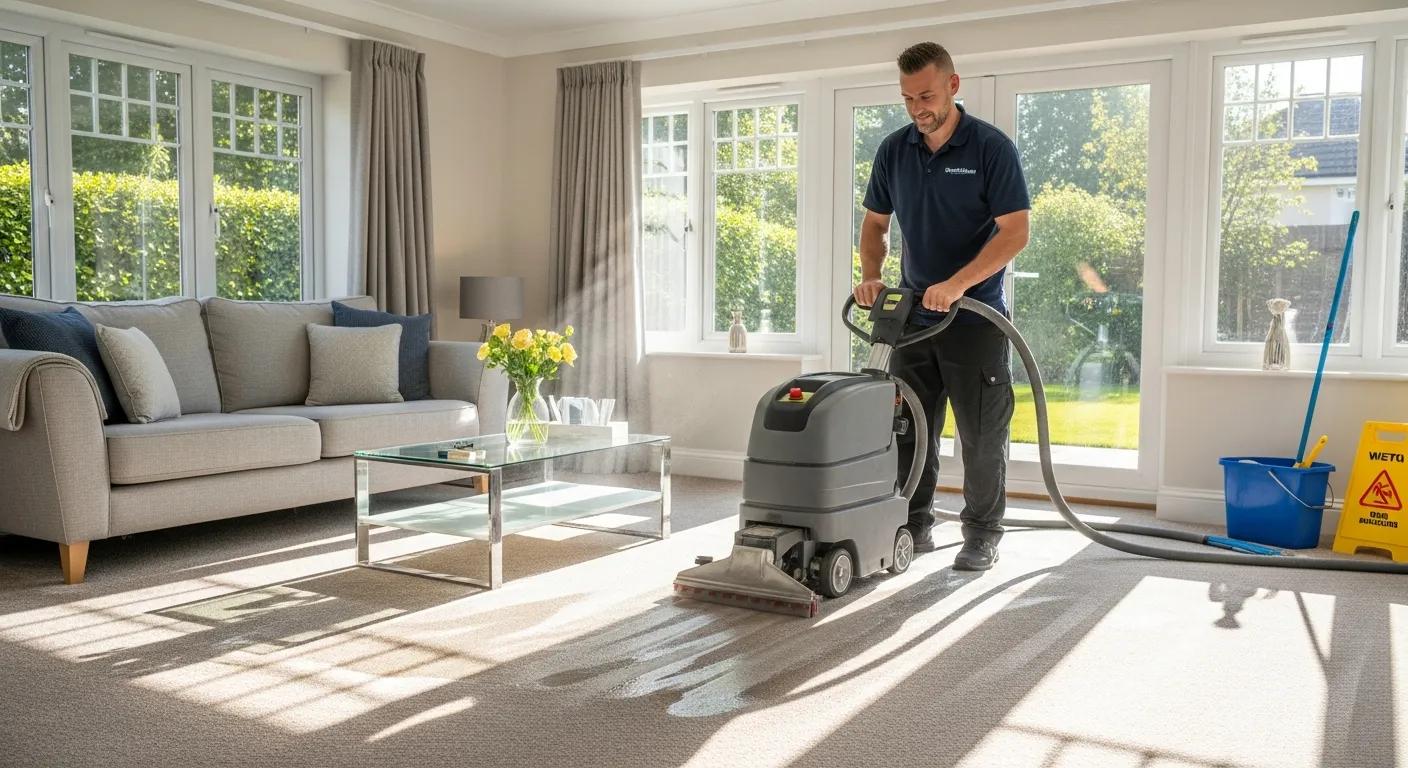
Steam (hot water extraction) lifts embedded dirt and odors with heat and moisture. Dry and bonnet methods are less invasive but often less effective on deep or persistent smells. Professional-grade machines and trained operators typically deliver the best outcomes.
How Can You Speed Up Odor Removal After Carpet Cleaning?
To speed odor removal, follow these practical steps:
- Increase Ventilation: Open windows and doors so fresh air can move through the space.
- Use Fans: Place fans to promote airflow and shorten drying time.
- Apply Odor Neutralizers: Use products designed to neutralize odors, especially enzymatic formulas for biological stains.
Combining ventilation with the right neutralizers usually helps carpets smell fresh sooner.
What Eco-Friendly Products and Practices Help Reduce Odors Faster?

Green cleaners neutralize odors while reducing chemical exposure. Key benefits include:
- Non-Toxic Ingredients: Safer for children and pets.
- Sustainability: Lower environmental impact from runoff and disposal.
- Effective Odor Neutralization: Many use enzymes that break down odor-causing matter.
Choosing eco-friendly products keeps your home fresh with less chemical risk.
Why Choose Professional Carpet Cleaning for Effective Odor Removal?
Hiring professionals, such as Veterans Cleaning Solutions LLC, provides clear advantages:
- Expertise in Odor Removal: Pros identify sources and choose effective treatments.
- Use of Advanced Equipment: Professional machines and formulas penetrate fibers more deeply.
- Long-Term Benefits: Regular professional care removes odors and extends carpet life.
Professional service improves indoor air quality and supports a healthier home.
Are Professionals Better at Removing Pet and Other Persistent Odors?
Professionals usually outperform DIY methods for stubborn odors because they have training and access to stronger, targeted products. They often achieve higher success rates and need fewer repeat treatments.
- Specialized Training: Pros know how to treat recurrent smells.
- Access to Advanced Products: Targeted agents and enzymes tackle pet urine and similar issues.
- Higher Success Rates: Professional approaches typically reduce the need for repeated fixes.
If pet odors persist, professional treatment is the most reliable option. You can also consider roof cleaning if exterior organisms contribute to musty indoor smells.
Frequently Asked Questions
1. How often should I have my carpets professionally cleaned to prevent odors?
Generally every 12–18 months; if you have pets, children, or heavy traffic, consider every 6–12 months. Regular cleanings remove dirt, allergens, and odor-causing bacteria to keep carpets fresher.
2. What are the benefits of using enzymatic cleaners for odor removal?
Enzymatic cleaners break down organic matter (like pet urine and food) rather than masking odors. They are safe for most carpets and are often a good eco-friendly choice for homes with kids and pets.
3. Can I use home remedies to eliminate carpet odors effectively?
Home remedies (baking soda, vinegar) can neutralize surface odors temporarily but usually don’t reach deep fibers or padding. Persistent pet or smoke odors typically need professional treatment.
4. How does humidity affect the drying process after carpet cleaning?
High humidity slows drying and can prolong odors. Damp carpets risk mold and mildew. Improve ventilation and use fans or dehumidifiers to speed drying and reduce odor risk.
5. What should I look for in a professional carpet cleaning service?
Check experience, reviews, methods used, and whether they offer advanced equipment and eco-friendly products. Ask about odor-removal expertise and any follow-up or guarantees.
6. Are there specific carpet types that are more prone to retaining odors?
Yes. Natural fibers (like wool) are more porous and absorb moisture and odors more readily than many synthetics. More frequent professional care can help.
7. How can I maintain my carpets between professional cleanings?
Vacuum regularly, treat spills promptly, use area rugs in busy areas, and control ventilation and humidity to limit odor buildup.
1. What types of odors are most difficult to remove from carpets?
Pet urine, smoke, and mold are among the toughest. Urine and mold can reach padding and subfloor and may require enzymatic cleaners and moisture remediation; smoke often needs repeat treatments. Professionals are usually better equipped to handle these problems.
2. How does carpet age affect odor retention?
Older carpets become more porous and trap debris, so they hold odors longer. Worn fibers and degraded padding create spaces where odor-causing bacteria persist; regular professional cleaning reduces buildup.
3. Can I prevent odors from developing in my carpets?
Yes. Vacuum often, address spills immediately, use area rugs in high-traffic zones, and maintain good ventilation and humidity control to lower odor risk.
4. What should I do if my carpet still smells after cleaning?
If odors remain, contact the cleaner about follow-up treatments or specialized neutralizers. Ongoing smells often indicate trapped moisture in padding or the subfloor, which must be resolved for a lasting fix.
5. Are there any signs that indicate my carpet needs immediate cleaning?
Persistent odors, visible stains, discoloration, a damp or sticky feel, or new/worsening allergy symptoms suggest it’s time for professional attention.
6. How do I choose the right eco-friendly cleaning products for my carpets?
Pick non-toxic, biodegradable products with reputable certifications. Enzyme-based cleaners are effective on organic odors; always test a small area to ensure compatibility.
7. Can professional cleaning help with allergens in carpets?
Yes. Professional methods like steam cleaning remove dust mites, pet dander, pollen, and other allergens trapped in fibers, improving indoor air quality for allergy sufferers.
Conclusion
Understanding the factors that influence odor removal helps you keep carpets smelling fresh. Professional services, like those from Veterans Cleaning Solutions LLC, effectively remove odors and extend carpet life. Improve ventilation, use the right neutralizers, and choose eco-friendly products to speed results.
Conclusion
Keeping carpets fresh is achievable with regular care and the right treatments. Professional cleaning removes persistent odors, prolongs carpet life, and supports better indoor air quality. Schedule professional cleaning when odors persist to restore comfort and health in your home.
