

Maintaining stone floors preserves their appearance and lifespan. Ignoring upkeep harms both look and structure. This article outlines common damage, correct cleaning and sealing practices, early signs of deterioration, and restoration options and costs so you can protect your investment and avoid costly repairs.
What Common Damage Types Occur from Neglecting Stone Floor Maintenance?

Neglect causes cracks, etching and stubborn stains. Cracks often stem from environmental stress or improper cleaning; etching occurs when acids contact the surface, leaving dull patches; stains and discolouration result from spills and dirt build-up and often need targeted treatments.
How Do Cracks and Etching Develop on Natural Stone Floors?
Cracks and etching arise from environmental shifts and unsuitable cleaners. Temperature and moisture changes make stone expand and contract, while abrasive or acidic products can wear the surface. Regular cleaning and appropriate sealants lower these risks and lengthen the floor’s life.
What Are Typical Stains and Discoloration Issues on Stone Surfaces?
Stains are organic (food, drinks) or inorganic (minerals from water or products). Each type requires specific cleaning methods—identifying the source helps you choose the right treatment and restore appearance.
How Often Should You Clean and Seal Stone Floors to Prevent Damage?
Cleaning frequency depends on traffic; for many homes, every one to three months is sufficient. Sealing protects against moisture and stains and typically requires reapplication every six to twelve months. A simple schedule can noticeably extend the flooring’s life.
What Are Proper Cleaning Practices for Natural Stone Surfaces?
Use non-abrasive, pH-neutral cleaners formulated for stone and soft cloths or mops to avoid scratches. Follow manufacturer guidance and product labels to maintain the finish safely.
Why Is Regular Sealing Critical for Stone Floor Longevity?
Sealing creates a barrier against stains and moisture. Without it, stone soaks up spills and dirt, leading to discolouration and long-term damage. Proper sealing preserves appearance and structural integrity.
Homeowners in the Wiregrass area can also rely on professional cleaning services for optimal results. Veterans Cleaning Solutions LLC specializes in exterior cleaning and adapts expertise to stone-care needs.
What Are the Signs of Stone Floor Deterioration to Watch For?
Look for visible cracks, uneven areas, persistent stains that resist cleaning, and a loss of shine. Spotting these signs early reduces repair scope and cost.
How Can You Identify Early Symptoms of Stone Surface Damage?
Small cracks, chips, and dull patches that lack surrounding shine are early indicators of etching or staining. Regular inspections help you address issues before they worsen.
When Is It Time to Consult a Professional Stone Floor Contractor?
Contact a professional when damage is extensive or cleaning fails—deep scratches, heavy staining, or noticeable unevenness are clear signs. Professionals apply the right techniques and products to repair stone correctly and protect your investment.
What Are Restoration Costs and Options for Damaged Stone Floors?
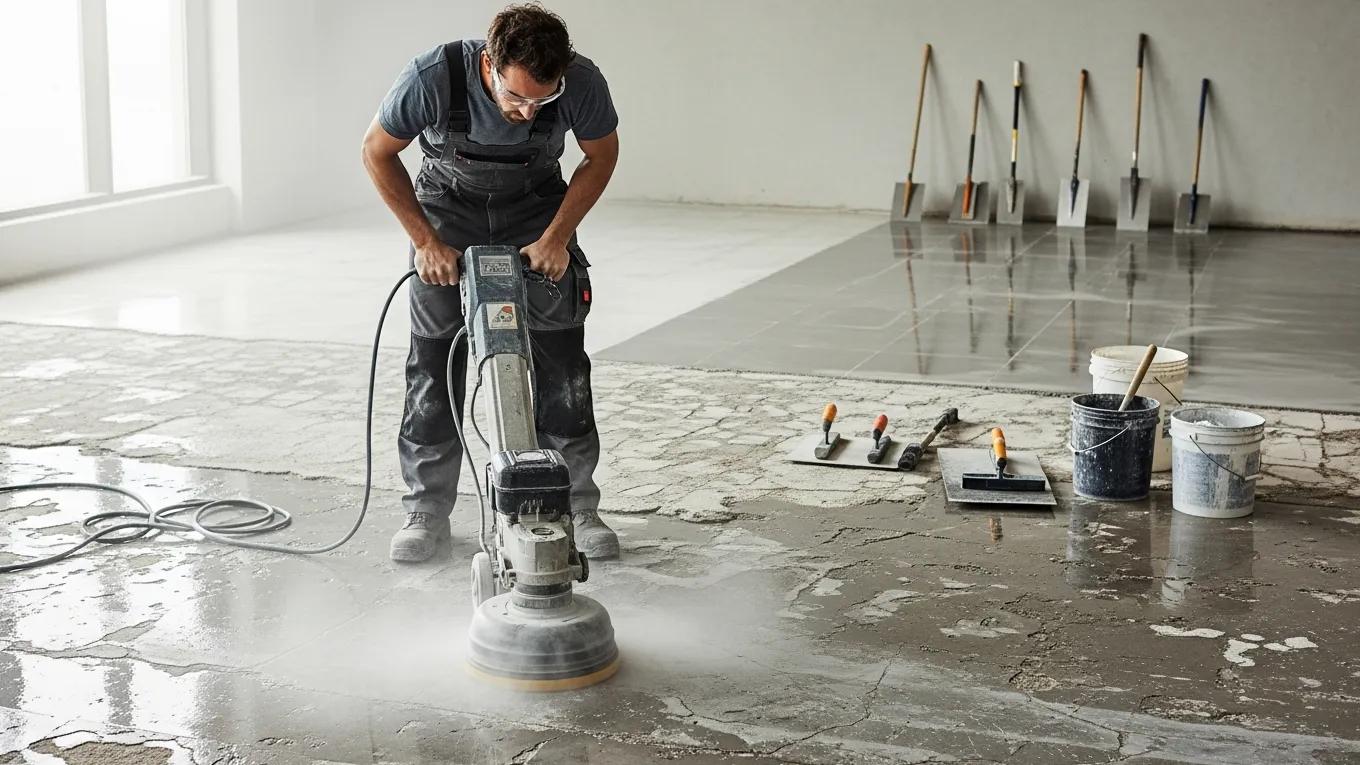
Restoration costs depend on repair type, damage extent and local rates. Minor repairs can start around $250; more complex restoration may approach $1,000 or more.
How Much Does Stone Floor Restoration Usually Cost in the Wiregrass Area?
In the Wiregrass area, restoration typically ranges from $250 to $1,000. Factors include area size, stone type and techniques required. Homeowners should get multiple quotes to compare pricing and find a trusted contractor.
What Restoration Techniques Are Available for Stone Floor Repair?
Common methods include grinding (removes a thin layer), honing (minimizes scratches and etching) and polishing (restores gloss and luster). A professional can recommend the best method for your damage.
| Restoration Type | Cost Estimate | Time Required |
|---|---|---|
| Grinding | $300 – $700 | 1-3 days |
| Honing | $200 – $500 | 1-2 days |
| Polishing | $150 – $400 | 1 day |
This table provides a quick comparison of restoration options to help homeowners plan.
Following these care steps helps preserve both look and structure for years. Regular inspections, timely cleaning and sealing prevent damage and keep surfaces attractive. Working with experts such as Veterans Cleaning Solutions LLC can simplify maintenance and give homeowners confidence in protecting their investment.
Frequently Asked Questions
What Type of Stone Floors Are Most Commonly Used in Homes?
Common residential stone floors include marble, granite, limestone and slate. Marble and granite offer elegance and durability; limestone and slate provide softer or textured looks. Choose based on décor, maintenance and use.
How Can I Prevent Stains from Setting on My Stone Floors?
Blot spills immediately with a soft cloth before they soak in. Clean regularly with a pH-neutral product and reapply a quality sealant every six to twelve months. Consistent habits across the household help preserve the stone.
Are There Eco-Friendly Cleaning Solutions for Stone Floors?
Mild detergent and water clean without harsh chemicals. Vinegar diluted in water can disinfect but may etch sensitive stones, so use cautiously. Some pH-neutral, biodegradable stone cleaners are available—test on an inconspicuous area first.
What Factors Influence the Lifespan of Stone Floors?
Lifespan depends on stone type, installation quality, maintenance and environmental conditions. Durable stones with proper care last longest; humidity, temperature swings and heavy traffic increase wear. Regular inspections, cleaning, sealing and proper installation all extend life.
Can DIY Repairs Be Effective for Minor Damage on Stone Floors?
DIY fixes can work for minor scratches or shallow stains using specialist kits and polishers. Avoid abrasive tools and harsh chemicals. For large cracks or uneven surfaces, hire a professional to ensure correct restoration.
How Do I Choose the Right Professional for Stone Floor Restoration?
Choose contractors with specific stone-care experience, good reviews and relevant certifications. Get multiple quotes, view past work and check references. Confirm they use industry-standard materials and methods.
Conclusion
Keeping stone floors well maintained preserves their beauty and durability. Regular cleaning and sealing reduce damage and extend the surface’s life. Stay proactive and call professionals when needed to avoid costly repairs and keep your floors a standout feature of your home.
