Commercial Soft Washing Services: Why Your Business Needs Gentle, Effective Exterior Cleaning Now
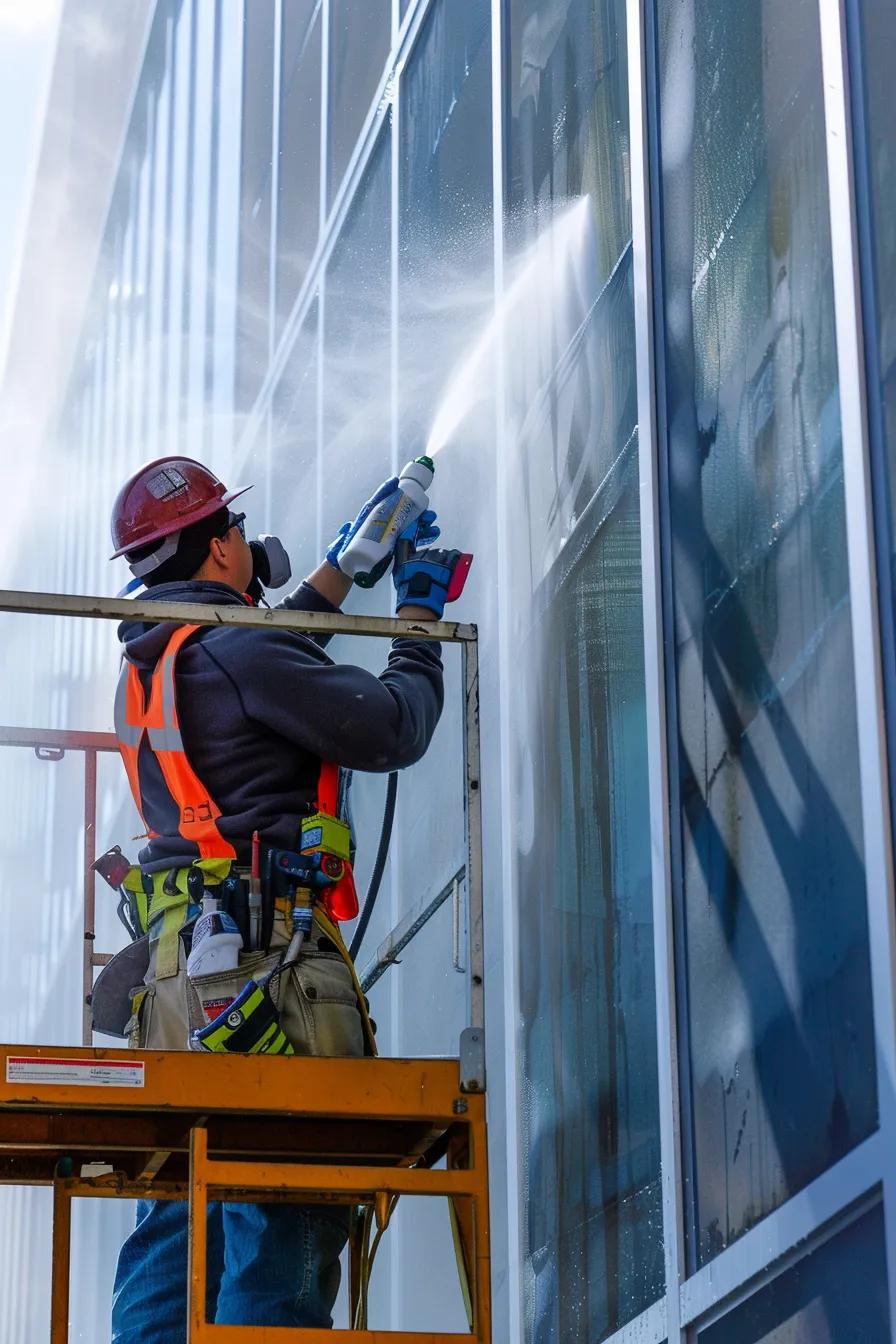
Commercial soft washing is a low-pressure exterior cleaning method that uses biodegradable solutions to remove algae, mold, mildew, and organic soiling while protecting building materials and finishes. This guide helps facility managers and property decision-makers understand how soft washing preserves assets, lowers long-term maintenance costs, and boosts curb appeal for commercial sites. Unlike high-pressure blasting, soft washing treats contaminants at the organism level so surfaces aren’t damaged by forceful water. Read on for a clear comparison with pressure washing, the surfaces that benefit most, what a professional service looks like, and practical ROI, safety, and environmental points—plus how to request a commercial quote tailored to Southeast Alabama properties.
What Is Commercial Soft Washing and How Does It Protect Your Property?
Commercial soft washing pairs low-pressure water with measured, biodegradable chemistries—surfactants and algaecides—to kill organic growth and lift dirt from exterior surfaces. By using controlled dwell time, the treatment penetrates biofilm and inactivates organisms at the root, which reduces rapid regrowth and protects delicate substrates. Soft washing avoids the abrasive effects of high-pressure cleaning, preserving roof granules, paint finishes, and textured materials so they last longer and need fewer repairs. That’s why soft washing is the recommended approach for roofs, painted facades, and porous surfaces that could be harmed by pressure washing. The next section compares the two methods so facility teams can choose the right approach for each asset.
How Does Soft Washing Differ from Pressure Washing for Commercial Buildings?
Soft washing relies on chemical action plus low pressure to neutralize biological growth; pressure washing depends on high-pressure water to blast away deposits. Soft washing reduces the risk of stripping shingles, eroding paint, or forcing water into siding seams—common problems when pressure is used on vulnerable materials. It’s especially suitable for asphalt shingle roofs, stucco, and painted metal panels. Pressure washing still has a place for robust surfaces like concrete or industrial steel when applied carefully. Using the wrong method can increase repair costs and shorten component life, so choose soft washing for delicate substrates and reserve pressure washing for heavy-duty, non-porous areas.
Cleaning Product Efficacy Against Mould Growth on Building Facades
Evaluation of cleaning products on the viability of mould growth on facades and decks — 2023
Which Commercial Surfaces Benefit Most from Soft Washing?
Soft washing works best where chemical treatment is needed and mechanical force would cause damage—examples include asphalt shingle roofs, painted siding and trim, stucco, EIFS, and many architectural finishes. These materials often host black algae (Gloeocapsa magma), moss, or lichens that harm appearance and integrity over time; soft washing’s dwell-time approach lets algaecides reach and inactivate these organisms. Commercial concrete, walkways, and loading docks also benefit when organic staining is present but underlying finishes must be preserved. For mixed-material buildings, facility managers get the most value by using soft washing on delicate substrates and reserving pressure washing for heavy-duty surfaces.
| Surface Type | Why Soft Wash Works | Typical Outcome |
|---|---|---|
| Asphalt shingle roofs | Chemical inactivation of algae without granule loss | Cleaner roof, extended service life |
| Painted siding & trim | Low-pressure application prevents paint erosion | Preserved finish and appearance |
| Stucco & EIFS | Avoids water intrusion and texture damage | Restored façade with minimal risk |
| Concrete and pavers | Biodegradable solutions remove organic stains | Improved safety and appearance |
What Are the Key Benefits of Soft Washing for Commercial Properties?

Soft washing delivers measurable benefits for property owners and facility managers: it preserves asset value, lowers safety risks, improves tenant and customer perception, and supports sustainability goals. By removing biological agents that degrade materials, it helps prevent premature roof or cladding replacement and reduces disruptive maintenance. Soft washing also removes slippery biofilm from entryways and walkways, lowering slip-and-fall risk for public-facing properties. When biodegradable chemistries and responsible rinsate handling are used, soft washing can align with corporate environmental objectives while reducing the need for repeat, water-heavy pressure cleaning.
| Component | Benefit | Typical Value |
|---|---|---|
| Roof | Lifespan extension | 10–20% longer service life (material-dependent) |
| Façade | Appearance & brand protection | Immediate visual restoration and longer paint cycles |
| Walkways/Entries | Safety improvement | Reduced slip hazards after treatment |
| Concrete | Stain mitigation | Lower frequency of abrasive re-cleans |
These metrics give procurement and facilities teams a clear basis to evaluate maintenance intervals and lifecycle cost advantages. Below we outline provider credentials and operational benefits that help reduce procurement friction.
For commercial buyers vetting contractors, Veteran’s Cleaning Solutions offers clear trust signals that make procurement easier. As a Service-Disabled Veteran-Owned Small Business (SDVOSB) with IICRC-recognized practices and an A+ BBB rating, we meet both quality and supplier-diversity requirements. Our commercial services include roof cleaning, building exterior washing, and concrete surface cleaning, and we offer a free guide, “How to Avoid Nightmare Cleaners,” to help facilities teams vet contractors. These credentials and resources provide the documentation decision-makers need and lead naturally into our documented operational process.
- Operational benefits: lower lifecycle costs, reduced downtime, and documented inspection reports.
- Trust attributes: SDVOSB status, IICRC-aligned practices, and BBB A+ accreditation for procurement confidence.
- Practical resources: a free vetting guide to help facility teams choose safe, compliant vendors.
With those procurement signals in place, facility managers can evaluate provider processes with confidence—see the next section for our standard workflow.
How Does Soft Washing Preserve Property Value and Extend Lifespan?
Soft washing protects value by removing the biological agents that accelerate material failure—algae, moss, and biofilm that trap moisture and lift shingles or degrade cladding. The chemistry penetrates and neutralizes growth at the root, breaking the cycle that leads to paint failure and early replacements. By avoiding abrasive cleaning, soft washing preserves protective coatings and roofing granules, which delays capital expenditures and stretches service intervals. For facilities teams, that translates into measurable lifecycle savings and more predictable maintenance budgeting.
How Can Soft Washing Enhance Curb Appeal and Professional Image?
A well-maintained exterior signals care and professionalism—important for tenant retention, customer impressions, and lease negotiations. Soft washing removes black streaks and staining and restores original colors without harming finishes, giving an immediate visual upgrade. For retail fronts, hospitality properties, and brand-sensitive sites, scheduled soft washing keeps façades looking sharp between larger renovations and supports marketing and leasing efforts.
How Does Soft Washing Improve Health and Safety on Commercial Sites?
Soft washing reduces biological contaminants that create slippery surfaces and can contribute to indoor air concerns if spores migrate indoors. Treating mildew, algae, and spores on walkways, stairs, and building envelopes lowers slip-and-fall risk and helps maintain healthy building envelopes by avoiding water intrusion. Facility managers who prioritize occupant safety find that regular soft washing reduces operational risk and incident rates.
Why Is Soft Washing a Cost-Effective Solution for Businesses?
Soft washing lowers total maintenance spend by reducing the need for frequent heavy-duty cleanings and delaying major repairs caused by biological degradation. Lower-pressure methods and targeted chemistries mean fewer repainting cycles, less material replacement, and lower labor intensity over time. For multi-site portfolios, extended maintenance cycles and fewer emergency repairs can produce meaningful annual savings. When comparing bids, evaluate lifecycle costs rather than just unit price to capture true value.
Is Commercial Soft Washing an Eco-Friendly Cleaning Option?
When biodegradable chemistries and proper rinsate practices are used, soft washing can support sustainability goals. These solutions are designed to biodegrade quickly and, combined with lower water use per event versus multiple high-pressure re-cleans, they reduce environmental impact. For organizations with environmental reporting or green procurement standards, soft washing is a pragmatic maintenance choice that reduces waste and conserves resources while protecting building assets.
What Is the Commercial Soft Washing Process at Veteran’s Cleaning Solutions?

Our commercial soft washing process is assessment-driven and fully documented to meet contract and procurement requirements. We start with a site survey to record surface types, material condition, and nearby landscaping or drainage concerns—this determines the biodegradable chemistries and application method. Technicians apply low-pressure solutions with controlled dwell time so surfactants and algaecides can inactivate organisms, then perform targeted rinsing or debris removal where needed. Every job ends with a formal inspection and documented report, plus follow-up scheduling recommendations so facility managers can include the service in maintenance records. This consistent workflow protects your assets and gives you the paperwork you need for procurement and budgeting.
Frequently Asked Questions
What types of businesses can benefit from commercial soft washing?
Soft washing fits many business types: retail centers, restaurants, office buildings, medical offices, warehouses, and industrial sites. Any property with exterior surfaces prone to algae, mold, or mildew will see value—especially sites that emphasize appearance, safety, or long-term maintenance savings. Properties in humid regions or with heavy foot traffic often benefit from more frequent treatments.
How often should commercial properties undergo soft washing?
Frequency depends on climate, exposure, and surface type. A common baseline is once per year to prevent buildup and maintain curb appeal. Properties in humid or coastal areas may need service every six months. Regular inspections help set the optimal schedule for each site.
Are there any safety concerns associated with soft washing?
Soft washing is generally safer than high-pressure cleaning because it reduces the risk of surface damage. However, professionals still follow safety protocols: PPE for crews, area containment, and careful chemical handling. Using biodegradable products and proper rinsate management minimizes environmental and health risks.
Can soft washing be performed in cold weather?
Soft washing is best performed in mild conditions. Freezing temperatures can reduce chemical effectiveness and create ice hazards on surfaces. If conditions are marginal, a qualified provider will assess risks and recommend timing or alternative approaches to maintain safety and results.
What should facility managers look for when hiring a soft washing service?
Choose providers with commercial experience, solid references, and appropriate certifications (like IICRC recognition). Confirm insurance coverage and request a documented process, material safety data sheets for products used, and post-job inspection reports. A reputable company will answer these questions and provide a clear proposal and schedule.
How does soft washing contribute to sustainability efforts?
Soft washing supports sustainability when biodegradable chemistries and responsible rinsate practices are used. It often uses less water than repeated pressure washing and extends material life—reducing waste from premature replacements. For organizations tracking environmental impact, soft washing is a maintenance strategy that aligns with green goals while keeping properties safe and attractive.
Conclusion
Commercial soft washing is a practical, asset-preserving choice for businesses that want clean, safe, and attractive exteriors without damaging finishes. When performed with biodegradable products and a documented process, it extends material life, improves curb appeal, and supports sustainability and safety objectives. If you manage commercial properties in Southeast Alabama, our team at Veteran’s Cleaning Solutions can provide a documented quote and maintenance plan tailored to your sites—reach out to see how a regular soft washing program can protect your investment.
