Is Soft Washing Safe? A Practical, Material-by-Material Guide to Soft Washing Exterior Surfaces

Soft washing uses low-pressure water and targeted biodegradable cleaners to remove mold, mildew, algae and organic staining—without the surface damage that comes from high-pressure blasting. This guide answers the core question: is soft washing safe for different exterior materials and finishes? We explain how soft wash chemistry and application techniques work, why professionals prefer soft washing for many surfaces, and which precautions protect finishes and landscaping. Facility managers, property owners, and maintenance teams will find clear, material-by-material guidance for roofs, siding, hardscapes and delicate trim, plus environmental and safety practices that reduce liability and extend asset life. You’ll also see how soft washing differs from pressure washing, practical safety protocols, and recommended maintenance intervals so decision-makers can choose the right approach for each surface. Later sections cover commercial advantages and measured outcomes, with comparison tables to support fast, informed maintenance decisions. Read on to learn when soft washing is the right choice, when another method is better, and how to protect plants, coatings and warranty-sensitive assemblies during cleaning.
If you manage property and need professional help, a solid understanding of the options makes a big difference. Veteran’s Cleaning Solutions offers trained crews and proven soft wash systems to keep exteriors safe and effective.
What Is Soft Washing and How Is It Different from Pressure Washing?
Soft washing combines low-pressure water delivery with chemical cleaners—usually an oxidizer paired with a biodegradable surfactant—to remove biological growth by breaking it down at the source. The method relies on dwell time and controlled chemistry rather than brute force, so surfaces are disinfected and cleaned with minimal mechanical stress. That means less risk of abrasion, splintering or finish loss on shingles, painted surfaces and delicate siding compared with high-pressure washing. Understanding this difference helps property managers choose soft washing to preserve materials and pressure washing only when aggressive mechanical action is needed for deep, non-organic stains or heavy concrete scaling. The next section explains the chemistry and application details that make soft washing effective and safe.
How Does Soft Washing Work with Low Pressure and Biodegradable Chemicals?
Soft washing applies a diluted biocide and surfactant mix at low pressure, letting the solution dwell so it can break down algae, mold, mildew and biofilms instead of blasting them off. Sodium hypochlorite is commonly used as the oxidizer to kill organic growth, while surfactants lower surface tension so the solution penetrates porous materials and loosens root structures. Biodegradable formulas are designed to break down after the job, reducing long-term environmental persistence.
Biodegradability of Surfactants in Cleaning Agents
Soaps and synthetic surfactants used in cleaning have both hydrophobic and hydrophilic parts. The hydrophilic group affects solubility in water, while the hydrophobic group influences solubility in oils and greases.
Biodegradability of surfactants, 2012
Using low-pressure nozzles and controlled flow rates protects material integrity by avoiding the shear forces that lift shingles or etch paint. Technicians match dilution and contact time to the substrate, pre-wet nearby plants, test a small area, and neutralize or rinse excess where needed to preserve landscaping and adjacent finishes. These chemical and procedural safeguards set up a clear comparison with pressure washing in the next section.
What Are the Key Benefits of Soft Washing Compared to Pressure Washing?
Soft washing shines when contaminants are biological rather than cementitious or deeply embedded oil. Because it relies on dwell-time chemistry, soft washing preserves surface materials, helps extend roof and siding life, and prevents granular loss on shingles. Low-pressure application also reduces airborne particulates and aerosolization—important around commercial entrances and sensitive landscaping. In short: choose soft washing for organic stains and warranty-sensitive surfaces, and reserve pressure washing for heavy industrial grime or thick, cured deposits on hardscapes. The next section gives material-specific safety guidance and precautions for each substrate.
Why Is Soft Washing Safe for Various Exterior House Materials?
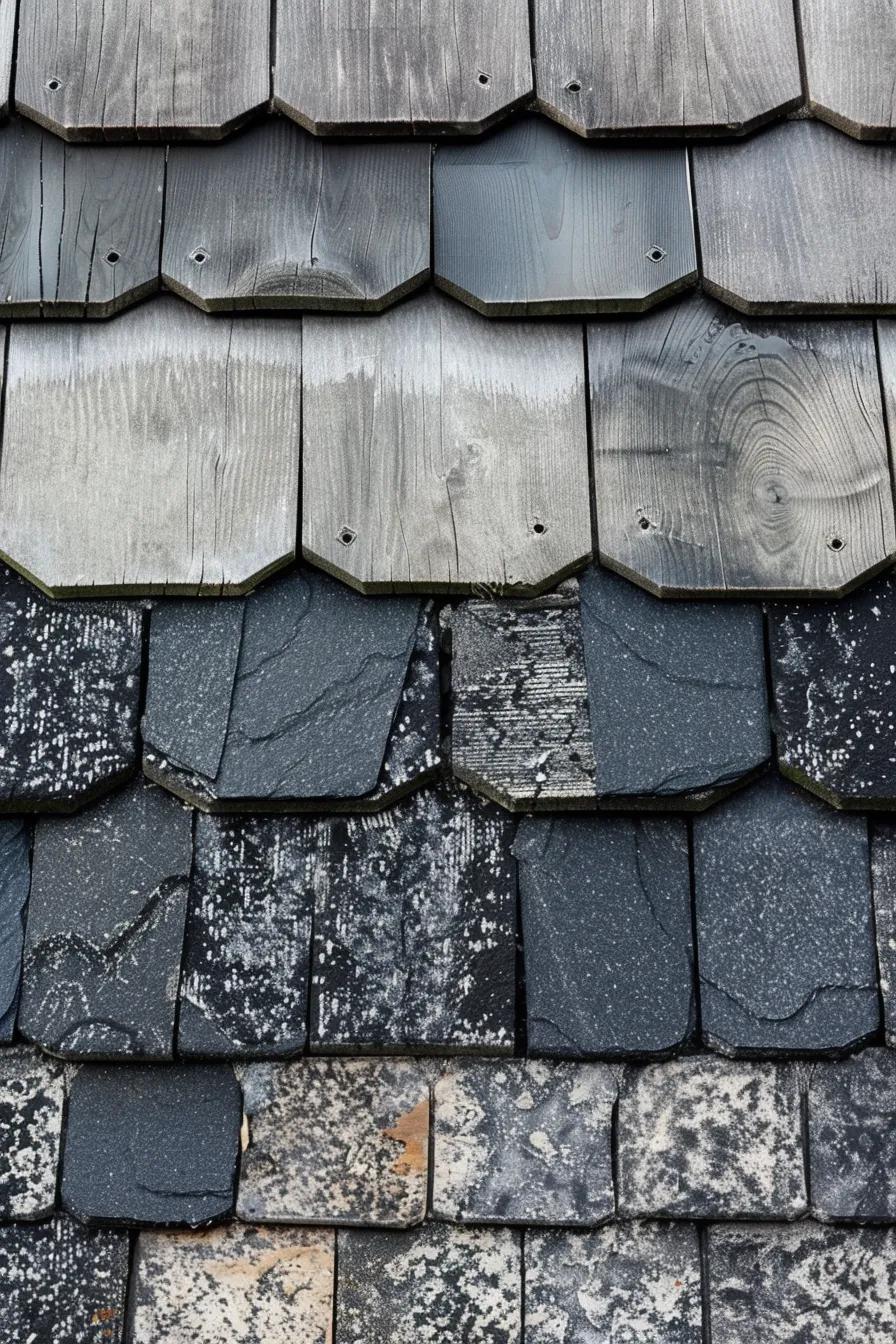
When technicians use correct dilutions, proper application techniques and appropriate post-treatment rinsing, soft washing is safe across a wide range of exterior materials. The method targets organic contaminants chemically rather than mechanically, which reduces flexing, abrasion and water intrusion risks that often occur with high-pressure methods. Individual materials still have unique vulnerabilities—asphalt shingles can lose granules, stucco can trap moisture, older mortar may erode, and vinyl can warp from heat or solvent misuse. The table below summarizes common materials, the risks of high-pressure cleaning, and the expected results when soft washing is applied correctly.
Different substrates react differently to mechanical force and chemicals; this table clarifies why soft washing is the preferred option for many finishes.
| Material | Risk with High Pressure | Soft Washing Outcome |
|---|---|---|
| Asphalt shingles | Granule loss, water intrusion, shingle lifting | Kills algae and moss without abrasive granule stripping when applied correctly |
| Vinyl siding | Panel warping, seam blowout, paint strip from heat | Removes mold and mildew while preserving profile and paint adhesion |
| Stucco/EIFS | Surface spalling, water trapping behind coatings | Biocide dwell removes organics; conservative rinsing prevents saturation |
| Wood siding | Fiber raising, splintering, paint stripping | Gentle chemistry cleans without lifting the grain when low pressure is used |
| Concrete/brick | Surface etching or mortar erosion | Effective on organic growth; may need light agitation or specialty detergents for deep stains |
Is Soft Washing Safe for Roof Materials Like Asphalt Shingles, Tiles, and Metal?
Protecting shingles’ granules, tile mortar and metal coatings is the central safety concern for roofs. Soft washing is safe for asphalt shingles because the chemical treatment kills algae like Gloeocapsa magma that accelerate granule loss, and the low-pressure application prevents mechanical abrasion. Technicians use angled spray and limited runoff to avoid underlayment saturation. For tile roofs, technicians pay close attention to mortar joints and flashings—proper lift and rinsing prevents tile displacement. Metal roofs benefit from rust-inhibiting practices and neutral-pH rinses to avoid corrosive exposure. Post-treatment roof inspections check granule retention and flashing integrity and help schedule any targeted repairs, supporting long-term preservation and reducing unexpected replacement costs. The next subsection covers siding and its soft-wash protocols.
How Does Soft Washing Protect Siding Materials Such as Vinyl, Stucco, Wood, and Painted Surfaces?
Siding varies in porosity and finish adhesion, so soft washing protects it by adjusting dilution, dwell time and rinse procedures for each substrate. Vinyl tolerates low-pressure detergents but needs appropriate temperature and chemical selection to avoid warping or seam movement; a brief rinse helps prevent spotting. Stucco and EIFS are porous and benefit from longer contact times so biocides can penetrate; technicians follow with conservative rinsing to avoid saturation and often test a small area first. Wood and painted surfaces require balanced surfactant levels and neutralization to protect paint adhesion and reduce fiber swelling, with hand-detailing around seams and trim when necessary. These per-material tactics minimize finish damage and guide hardscape cleaning choices described next.
Can Soft Washing Safely Clean Hardscape Surfaces Like Concrete, Brick, and Stone?
Hardscapes tolerate chemical action but can be sensitive to mortar and sealant loss from overexposure or repeated treatments. Soft washing is excellent for removing moss, algae and lichen by attacking the biological root without sandblasting the surface. Embedded oil or rust may need specialized detergents or light mechanical agitation. Protecting mortar joints and sealants requires containment and targeted application so chemicals don’t seep into joints and accelerate deterioration; post-clean sealing is recommended where appropriate. For heavy staining or efflorescence, a two-step approach—soft wash followed by low-impact mechanical cleaning—often gives the best result while preserving material integrity. The next subsection covers delicate elements like windows and trim that need special handling.
What Precautions Ensure Safety for Delicate Surfaces Like Windows, Screens, and Trim?
Delicate components—glass panes, screens, decorative trim and architectural hardware—require masking, lower-volume application and often manual cleaning to avoid staining or seal damage. Technicians commonly cover screens and vents, use adjustable low-flow nozzles for close work and switch to hand-scrubbing for tight trim or ornate millwork to prevent streaks and chemical residue. Rinse and neutralization follow the dwell period where necessary, especially on painted trim, to prevent bleaching or finish softening. A pre-job inspection and a small test patch give a reliable preview so corrective steps can be taken before full-area work; those results guide rinse and protection choices that preserve delicate finishes. These precautions support the environmentally safe application described next.
What Are the Environmental and Health Safety Benefits of Soft Washing?
Soft washing can be kinder to the environment and to people when operators choose biodegradable products, control runoff and minimize aerosolization compared with high-pressure blasting. Properly diluted sodium hypochlorite combined with approved surfactants, applied under containment protocols and scheduled to avoid irrigation events, reduces chemical persistence in soil and waterways. Surfactant selection favors formulations that break down quickly under sunlight and microbial action. Low-pressure application also limits airborne particulates and dislodged paint chips that can be inhaled—important in busy commercial areas. When delivered as part of a responsible site plan—including plant protection, municipal runoff avoidance and neutralization where needed—soft washing balances performance with environmental stewardship. The following subsection explains how biodegradable agents protect landscaping and what containment strategies professionals use.
How Do Biodegradable Cleaning Solutions Protect Landscaping and Surroundings?
Biodegradable cleaners are formulated to break down into benign compounds after their active period, and protecting landscaping depends on containment, correct dilution and timing relative to local weather. Common practices include pre-wetting plants, erecting physical shields, applying treatments from top-down to control runoff, and allowing the solution to break down before expected rainfall to avoid concentration spikes in soil. Neutralizing agents or extra rinsing are used around sensitive plantings, and scheduling work during cooler parts of the day reduces volatilization and plant stress. Taken together, these measures promote safe chemical breakdown while minimizing root exposure and supporting regulatory compliance for commercial properties. The next subsection outlines professional safety protocols that formalize these practices.
What Safety Protocols Do Professionals Follow to Prevent Chemical and Physical Hazards?
Professional teams follow documented protocols—site assessment, PPE, test patches, containment, calibrated dilution and post-job inspection—to reduce chemical and physical hazards during soft wash jobs. Personal protective equipment like gloves, eye protection and respirators for concentrated mixing, plus fall protection for roof work, safeguard technicians. Material safety data sheets and verified dilution tables guide chemical handling and emergency response. Site prep includes masking vulnerable items, protecting storm drains and notifying occupants to minimize exposure. Quality assurance often includes before-and-after photos and follow-up checks for plant health and finish reaction. These standardized steps form the backbone of risk management for large properties and lead into the commercial benefits discussed next.
How Does Soft Washing Benefit Commercial Properties and Their Exterior Maintenance?

Soft washing delivers clear commercial advantages: lower life-cycle costs, improved curb appeal and minimal tenant disruption thanks to faster, gentler cleaning cycles. For high-visibility facades, soft washing removes staining that signals neglect and can directly affect tenant retention and customer perception. It also reduces the frequency of costly repairs by eliminating biological decay that speeds material failure. Flexible scheduling lets facility managers plan treatments during low-traffic windows to minimize business impact while preserving a professional image. The table below maps common commercial surfaces to typical contaminants and measurable benefits after a safe soft wash.
| Commercial Surface | Common Contaminant | Business Benefit after Soft Wash |
|---|---|---|
| Storefront glass and entryways | Mold, mildew, algae | Cleaner appearance, better customer impressions and safer walkways |
| Brick/stone facades | Biological staining, soot | Restored appearance and fewer masonry repairs |
| Metal cladding and signage | Surface soiling, oxidation | Stronger brand presentation and extended finish life |
| Parking structures and curbs | Algae, oil films | Safer surfaces and reduced slip risk |
These ROI-focused outcomes support maintenance budgets and tenant satisfaction. For commercial property managers evaluating vendors, the paragraph below introduces a local provider with proven commercial capabilities.
Veteran’s Cleaning Solutions provides commercial soft washing services designed to deliver those outcomes for businesses and multi-tenant properties, with an emphasis on gentle, effective cleaning and eco-conscious product selection. The company’s soft-wash approach to exterior house washing and commercial exterior cleaning supports facilities looking to improve curb appeal while protecting finishes and landscaping. Request a quote to discuss scheduling, containment and maintenance plans tailored to high-visibility facades and tenant-sensitive locations. The following H3 sections describe specific advantages and examples that validate these commercial results.
What Are the Advantages of Soft Washing for Commercial Building Materials and Finishes?
Soft washing safely cleans high-value commercial finishes—EIFS, architectural metal, composite panels and monument signage—by removing biological growth and staining without abrasive force that can void warranties or force panel replacement. The method reduces the need for disruptive mechanical cleaning or frequent repainting because it addresses the biological causes of coating and seal deterioration. Soft washing fits into preventative maintenance schedules, spreading costs and reducing emergency repairs. Less surface abrasion preserves engineered finishes and signage, helping maintain brand integrity with predictable maintenance cycles that support long-term asset management.
How Does Soft Washing Enhance Curb Appeal, Property Value, and Professional Image?
A clean exterior strengthens perceived property value because customers and tenants associate appearance with operational standards. Removing visible biological stains and streaking improves first impressions and supports leasing and sales efforts. Regular soft washing preserves material aesthetics, prevents progressive staining that leads to damage, and lowers long-term capital expenses. For properties competing on presentation, scheduled soft washing is a cost-effective lever to keep facades photography-ready. Align cleaning times with peak occupancy and marketing events to maximize visibility with minimal disruption.
Are There Case Studies Demonstrating Safe Soft Washing on Commercial Properties?
Short case summaries show how soft washing solved common commercial issues: a multi-tenant building reduced tenant complaints after targeted facade cleaning, and a storefront group improved foot-traffic perception after entryway and signage treatment. Typical results include restored facade color uniformity, fewer recurring stains and documented drops in maintenance calls. Measured outcomes—appearance scores, reduced emergency repairs and positive tenant feedback—support soft washing as part of a proactive maintenance plan. Facility managers should request project scoping and before-and-after documentation to evaluate potential ROI for their portfolios.
What Are the Risks of DIY Soft Washing and Why Choose Professional Services?
DIY soft washing often causes inconsistent dilution, missed safety steps and improper rinsing that can damage materials, stress landscaping or fail to remove biological roots. Home users may over-concentrate solutions to speed cleaning—raising plant and finish risks—or use incorrect spray angles that force water into seams and underlayment. Professionals avoid these pitfalls with structured workflows: pre-job inspections, calibrated dilution charts, containment planning and test patches that confirm chemistry and contact time. The next subsection outlines common DIY damage scenarios and how professional techniques prevent them, including how Veteran’s Cleaning Solutions applies these standards for commercial clients.
What Dangers Can Improper Soft Washing Cause to Exterior Materials?
Poor soft washing practices can strip paint, swell wood fibers, bleach sensitive finishes and force moisture into joints or under roof edges when pressure or chemical exposure is uncontrolled. Overuse of sodium hypochlorite can bleach landscaping and harm foliage, while inadequate rinsing on painted surfaces may accelerate finish failure. Replacing proper soft-wash technique with high-pressure equipment can remove shingle granules or erode mortar and sealants, causing long-term structural and aesthetic damage. These risks underscore why trained, methodical crews are important for warranty-sensitive materials and minimizing downstream maintenance costs.
How Do Professional Techniques and Equipment Ensure Safe and Effective Cleaning?
Professional teams use calibrated pumps, low-pressure nozzles, verified dilution tables, fall protection and site-specific containment plans to control exposure and protect assets. A typical workflow includes a thorough pre-job inspection, a small-area test to confirm dwell time and reactivity, protective masking of vulnerable elements, and measured rinsing or neutralization to protect plants and drains. Veteran’s Cleaning Solutions emphasizes trained technicians who follow documented safety protocols and quality assurance checks; facility managers are encouraged to request a scoped proposal that outlines dilution, containment and inspection procedures. That professional approach reduces liability, preserves materials and is often more cost-effective than unmanaged DIY attempts.
What Are the Most Common Questions About Soft Washing Safety?
Soft washing is safe when trained technicians match dilution, dwell time and rinsing to the substrate—but exceptions and careful planning are required for certain materials and site conditions. Below are concise answers to property managers’ top questions, with brief clarifications to guide immediate decisions and links to the material-specific sections for deeper detail. These quick responses help facilities triage issues and decide when to schedule a professional assessment.
Is Soft Washing Safe for All Types of Exterior Surfaces and Finishes?
Generally yes—soft washing can be safe for most exterior surfaces when the chemistry and application are correct. Exceptions include chemically sensitive or mechanically fragile finishes and substrates with active water intrusion concerns. When unsure, a professional pre-inspection and test patch will determine suitability. Materials like antique wood, certain historical masonry and specialty coatings may need custom approaches—see the material-specific sections above for guidance and contingencies.
Can Soft Washing Damage Roof Shingles or Painted Surfaces?
Not when performed correctly. Soft washing won’t harm shingles or painted surfaces if technicians use low pressure, proper dilution and conservative rinse volumes. Damage can occur from excessive scrubbing, substituting high pressure or using incorrect chemical concentrations. Professional crews use angled spray, minimal mechanical contact and neutralization where needed to protect paint adhesion and shingle granules; post-job inspections confirm results. For warranty-sensitive roofs, coordinate with the manufacturer and run test patches before full-area treatment.
How Long Does Soft Washing Last and How Often Should It Be Done?
Results typically last from months to years depending on climate, shading and nearby vegetation. High-exposure facades often benefit from annual to biennial maintenance; sheltered surfaces usually need less frequent service. Humid, shaded areas regrow faster while sunny, dry exposures stay cleaner longer. Start with a baseline clean and monitor regrowth to optimize intervals for appearance and cost-efficiency.
What Chemicals Are Used in Soft Washing and Are They Environmentally Friendly?
Soft-wash mixes commonly use sodium hypochlorite as the oxidizer and biodegradable surfactants to boost penetration and performance. Many commercial blends are formulated to break down rapidly when applied responsibly. Environmental safety depends on correct dilution, containment and neutralization—following manufacturer guidance and site-specific protocols minimizes residual impacts. For commercial projects, request product disclosure and containment plans; Veteran’s Cleaning Solutions can share specifications and mitigation strategies during project scoping to ensure regulatory and environmental compatibility.
Frequently Asked Questions
What types of surfaces should not be soft washed?
Soft washing is safe for most surfaces, but some materials deserve extra caution. Antique wood, certain historic masonry and specialty coatings may react poorly to chemicals or even light moisture. Always run a pre-inspection and a small test patch to confirm suitability. When in doubt, consult a professional to pick the safest cleaning method for delicate or unique surfaces.
How can I prepare my property for a soft washing service?
Prepare by removing furniture, decor and items that could be harmed by water or cleaners. Notify your landscaper so sensitive plants can be protected. Close windows and doors to prevent water entry, and point out any specific concerns to the crew so they can tailor protections and procedures to your site.
What should I do if my plants are affected by soft washing chemicals?
If plants show distress after a service, rinse them thoroughly with water to dilute any residue. If problems continue, contact a local horticulturist or landscaper for recovery advice. To prevent future issues, make sure crews pre-wet plants, use biodegradable solutions and employ shielding around sensitive plantings.
How does weather affect the timing of soft washing?
Weather matters. Aim for dry, overcast days to avoid rapid evaporation of cleaning solutions, and don’t schedule work right before heavy rain that could dilute the treatment. Windy conditions increase the risk of aerosol drift to nearby plants and surfaces. Your soft-wash provider will advise the best timing for local conditions.
Can soft washing be done in winter or cold weather?
Cold conditions are challenging. Freezing temperatures can affect cleaning solutions and create ice hazards on surfaces. If cleaning is necessary in colder months, consult professionals who can assess risks and recommend safe approaches or alternative timing to protect surfaces and ensure effectiveness.
What are the long-term benefits of regular soft washing maintenance?
Regular soft washing improves curb appeal, extends the life of exterior materials and reduces repair costs by removing biological growth before it causes damage. A clean exterior supports property value and tenant satisfaction—small, scheduled cleanings can prevent expensive, reactive repairs down the line.
Conclusion
Soft washing, when performed by trained professionals using biodegradable solutions and low-pressure techniques, is a safe and effective way to protect exterior materials while removing harmful biological growth. Proper planning, correct chemistry and careful application keep surfaces and landscaping intact and extend the life of building finishes. For reliable, low-impact cleaning tailored to your property, contact Veteran’s Cleaning Solutions to discuss a soft wash plan that fits your needs.
