Top 5 Safe and Effective Hardwood Floor Cleaning Methods: Essential Tips for Homeowners

Keeping hardwood floors clean need not be hard. This guide summarizes five safe, effective cleaning approaches, the right tools and products, common mistakes to avoid, and when to call a pro — including local help from Veterans Cleaning Solutions LLC in the Wiregrass area.
What Are the Top 5 Safe Methods to Clean Hardwood Floors at Home?
Safety and effectiveness matter. Below are five proven, easy-to-follow methods homeowners can use:
- Microfiber Mopping: Microfiber mops trap dust and dirt without scratching and require minimal water.
- Eco-Friendly Cleaning Products: Choose gentle, eco-conscious formulas to protect finishes and indoor air quality.
- Vinegar and Water Solution: A diluted vinegar mix can work for occasional deep cleans—use sparingly to avoid dulling finishes.
- Commercial Hardwood Floor Cleaners: Use products formulated specifically for hardwood for reliable cleaning and finish protection.
- Regular Dusting and Sweeping: Frequent dusting or sweeping prevents grit and scratches and reduces the need for aggressive cleaning.
How Does Microfiber Mopping Protect Hardwood Surfaces?
Microfiber mops capture particles with fine fibers and use less water than traditional mops, lowering moisture risk while reaching corners and crevices. Improved mop designs also increase cleaning efficiency and reduce effort.
Mop Design & Cleaning Efficiency for Hardwood Floors
Floor-cleaning tools and equipment have undergone major modifications, with research often focused on mop design modifications and cleaning efficiency.
An overview of strategies for reducing upper extremity physical exposure associated with floor Mopping: A systematic review, 2019
Why Is Using Eco-Friendly Cleaning Products Important for Hardwood Floors?

Eco-friendly cleaners avoid harsh solvents that can strip or dull finishes and leave fewer residues. They are safer for families and pets while still providing effective cleaning when used as directed.
Growing concern about environmental impact has driven better, milder formulations for home use.
Safe & Sustainable Eco-Friendly Hardwood Cleaners
This has intensified the search for sustainable, eco-friendly alternatives. To achieve this, a highly hard water tolerant bio-based non-ionic surfactant in additive-free formulations represents a safe and sustainable alternative to conventional cleaning agents.
Highly hard water tolerant bio-based non-ionic surfactant with strong stain removal efficiency for household cleaning, HI Mtui, 2025
Which Homemade and Commercial Products Are Best for Hardwood Floor Cleaning?
Both homemade mixes and commercial cleaners have roles. Use the table below to compare common choices and pick what suits your floor and priorities.
| Product Type | Product Name | Pros | Cons |
|---|---|---|---|
| Homemade | Vinegar and Water | Cost-effective, natural | Can dull finish if overused |
| Commercial | Bona Hardwood Floor Cleaner | Specifically formulated for wood | May contain chemicals |
| Commercial | Method Squirt + Mop | Eco-friendly, easy to use | Higher cost than homemade solutions |
The table highlights trade-offs so you can balance cleaning power, safety, and cost.
What Are the Benefits and Risks of Vinegar-Based Cleaners?
Diluted vinegar removes grime and can leave a light shine, but frequent or concentrated use can dull finishes. Reserve vinegar mixes for occasional deep cleaning and always dilute.
How Do Commercial Hardwood Floor Cleaners Compare to Natural Alternatives?
Commercial cleaners are formulated to clean and protect finishes more reliably; natural options are gentler but may be less effective on heavy soil. Choose by floor type, finish, and your health or environmental preferences.
What Common Mistakes Should Be Avoided When Cleaning Hardwood Floors?
Common errors include using too much water, skipping routine maintenance, and applying harsh chemicals that strip finishes. Avoid these to extend floor life.
- Using Excess Water: Excess moisture can seep into seams and cause warping.
- Neglecting Regular Maintenance: Skipping dusting allows abrasive grit to build up and scratch finishes.
- Using Harsh Chemicals: Abrasive or ammonia-based cleaners can remove protective coatings and leave residues.
How Can Excess Water Damage Hardwood Floors?
Water that soaks into joints causes swelling and warping. Use a damp (not wet) mop and wipe spills immediately to reduce moisture-related damage.
Moisture management is important because water-related damage is a common problem in wooden structures.
Preventing Moisture Damage in Hardwood Floors
Serious damage from moisture has been found in 82 percent of single-family homes built since the 1950s. The majority of the damage seen today in wooden buildings is concentrated in wet areas, base floor structures and the joints between the base floor and wall structures.
Moisture damage in Finnish wooden houses, 2005
Why Should Harsh Chemicals Be Avoided in Hardwood Floor Maintenance?
Harsh cleaners can strip protective finishes, dull floors, and increase scratch risk; they may also present health concerns. Prefer milder, hardwood-safe products.
When Should You Hire Professional Hardwood Floor Cleaning Services in the Wiregrass Area?
Routine cleaning is manageable for many homeowners, but hire professionals for tough stains, visible damage, limited time, or uncertainty about the correct method for your floor.
- Deep Stains or Damage: Professionals can treat deep stains and restore appearance.
- Lack of Time or Resources: Outsourcing saves time and ensures proper care.
- Uncertain About Cleaning Methods: Pros advise on methods and appropriate products for your finish.
For exterior work that complements indoor care, exterior cleaning services help preserve your home’s look and value.
How to Choose Reliable Cleaning Contractors for Hardwood Floors?
Check credentials, reviews, and experience. Ask about methods, products used, and any guarantees so expectations are clear.
What Are the Benefits of Professional Cleaning by Veterans Cleaning Solutions LLC?
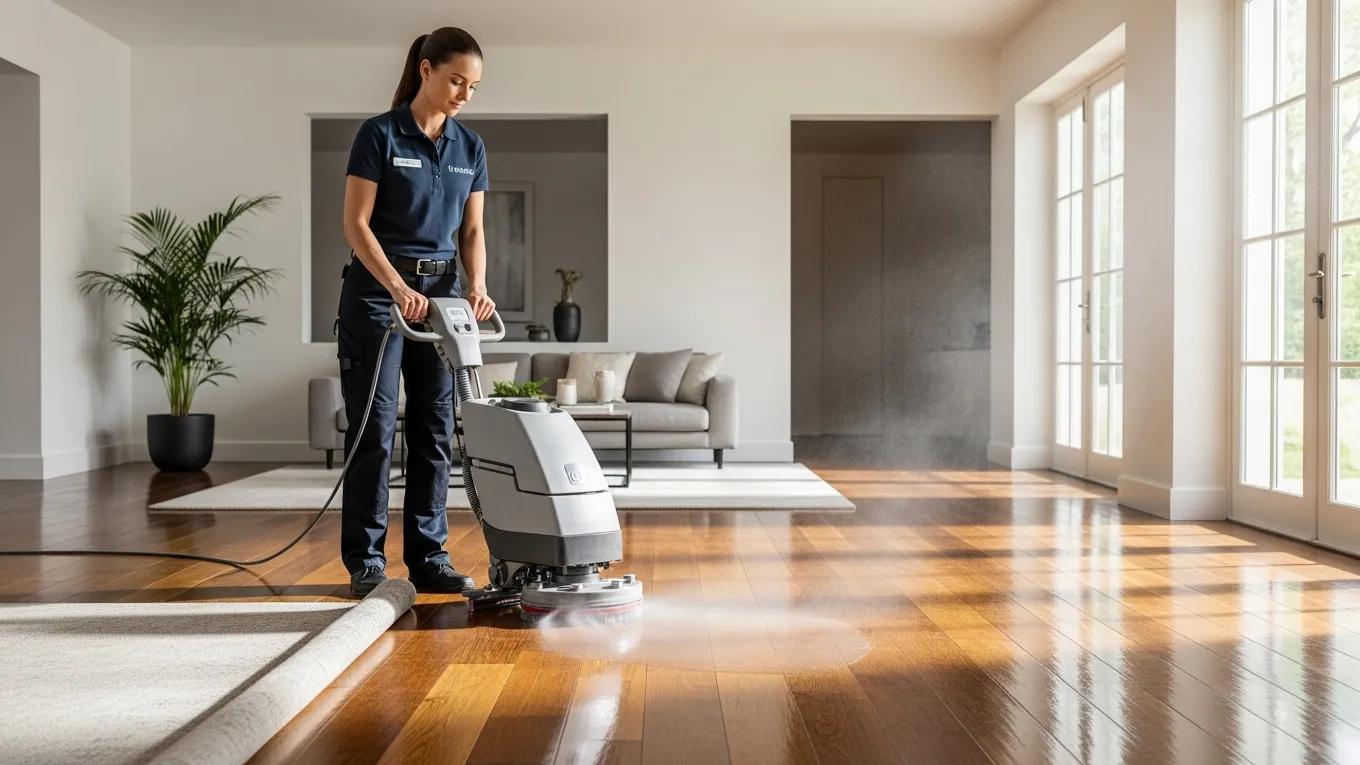
Veterans Cleaning Solutions LLC offers specialized hardwood cleaning in the Wiregrass area using methods and products that protect finishes and restore appearance. Professional service saves time and ensures correct care.
They also provide roof cleaning services to help protect property and maintain curb appeal.
Frequently Asked Questions
What is the best frequency for cleaning hardwood floors?
Sweep or dust-mop weekly and damp-mop for deeper cleaning about once a month or as needed in high-traffic areas.
Can I use a steam mop on hardwood floors?
Steam mops are generally not recommended because heat and moisture can penetrate seams; use a damp microfiber mop or consult a flooring professional first.
How can I remove scratches from hardwood floors?
Clean first. Use a matching repair marker for light scratches; for deeper damage consider filler or professional repair.
What should I do if my hardwood floors are sticky after cleaning?
Sticky residue usually means leftover product or excess water. Damp-mop with a few drops of mild dish soap, rinse the mop often, then dry with a clean microfiber cloth.
Are there specific products to avoid when cleaning hardwood floors?
Avoid abrasive cleaners, ammonia-based products, wax-heavy solutions, and high-concentration vinegar; choose cleaners made for hardwood.
How can I protect my hardwood floors from future damage?
Use area rugs in busy zones, felt pads under furniture, maintain steady indoor humidity, and avoid wearing hard-soled shoes indoors.
Conclusion
With simple, safe methods — microfiber mops, selected eco-friendly or commercial cleaners, and regular maintenance — you can keep hardwood floors attractive and long-lived. Avoid excess water and harsh chemicals, and call professionals when floors need deep restoration or specialized care.
