Unlock the Benefits of Soft Washing for Your Home — Gentle, Effective Exterior Cleaning

Soft washing uses low pressure and targeted cleaning solutions to remove mold, algae, mildew, and stains without harming delicate surfaces. This guide explains how soft washing works, why it’s gentler than pressure washing, and what homeowners can expect for curb appeal, material longevity, and health. You’ll learn which surfaces respond best, how often to schedule treatments, and how eco-friendly choices reduce environmental impact. We also compare soft washing to high-pressure methods, share practical maintenance schedules, and offer guidance for facility managers considering commercial-scale work. Industry terms like soft wash surfactant, biodegradable cleaning solution, and preventative maintenance are included to help both homeowners and property professionals make informed decisions.
What Is Soft Washing and How Does It Benefit Your Home’s Exterior?
Soft washing combines low-pressure application with purpose-built cleaning agents to dissolve and remove organic contaminants — mold, mildew, algae, and grime. Surfactants and oxidizing agents break biological bonds so residues rinse away without the abrasion of high-pressure washing, which can strip roof granules or damage siding. The result is immediate visual improvement, less ongoing surface degradation, and reduced health risks tied to outdoor biological growth. From there, it’s useful to compare soft washing with pressure washing and to review safety for delicate materials.
How Does Soft Washing Differ from Pressure Washing?
The main difference is how contaminants are removed: soft washing uses low-pressure delivery plus chemical action, while pressure washing relies on high PSI to physically shear dirt. Mechanical force can lift granules from asphalt shingles or etch older stucco, while chemical cleaning treats organisms at the root and rinses them away with minimal force. Soft washing is ideal for removing biological growth without risking water intrusion or surface damage, making it the right choice for many delicate materials.
Why Is Soft Washing Safer for Delicate Home Surfaces?
Soft washing is safer because technicians use controlled dilutions, low-pressure sprayers, and surfactants formulated for specific substrates, which lowers the risk of etching, fiber lift, or water intrusion. Solutions are adjusted for pH and active ingredients so crews can neutralize organisms without aggressive force, protecting roof granules, vinyl seams, and painted trim. That tailored approach reduces the chance of costly repairs and preserves protective coatings — especially on older materials that are more vulnerable to high-pressure damage — and creates long-term value through preventative maintenance.
For larger properties or associations, the same soft-wash principles scale to commercial exteriors like multi-unit roofs, building facades, and parking structures. Veteran’s Cleaning Solutions adapts low-pressure, chemical-assisted methods for bigger surfaces and complex access needs while preserving materials and minimizing disruption. Their commercial offerings — including SoftWash Roof Cleaning & Restoration and SoftWash Exterior House/Building Washing — apply the same substrate-sensitive approach used on homes to larger facilities. This shows how soft washing benefits both homeowners and facility managers focused on preventative maintenance.
What Are the Key Benefits of Soft Washing for Your Home?

Soft washing delivers a few consistent advantages when applied correctly. It refreshes curb appeal by removing visible staining and biofilm, extends the life of materials by stopping biological damage at the source, and reduces health and slip hazards tied to mold and algae. Those benefits translate into measurable outcomes like fewer premature replacements, less frequent repainting, and a safer exterior for residents and visitors. Knowing these results helps homeowners and property managers plan maintenance and predict cost avoidance.
Soft washing provides these homeowner benefits:
- Enhanced Curb Appeal: Removes stains and restores your home’s exterior for better first impressions.
- Material Longevity: Neutralizes growth that accelerates rot, shingle granule loss, and paint failure.
- Health and Safety: Reduces mold, mildew, and slippery algae on walkways to lower slip risk and allergen exposure.
These outcomes make soft washing a practical part of proactive exterior care and set the stage for comparing how each benefit delivers measurable value across property types.
Different benefits map to specific mechanisms and measurable outcomes. The quick table below helps summarize those links before we look at surface-specific suitability.
| Benefit | Mechanism | Measurable Value |
|---|---|---|
| Curb Appeal | Removes organic stains and surface grime with surfactants and oxidizers | Immediate visual restoration; supports resale and listing preparation |
| Property Longevity | Kills and removes organisms that degrade materials | Delays repainting and replacement, lowering lifecycle costs |
| Health & Safety | Eliminates mold and algae that contribute to allergic reactions and slips | Fewer slip incidents; reduced allergen exposure for occupants |
This benefits matrix clarifies how soft washing turns cleaning action into homeowner value and helps you choose which areas to prioritize.
For commercial property stakeholders and facility managers seeking a quote, requesting a tailored commercial estimate applies the same principles at scale. Veteran’s Cleaning Solutions offers commercial soft washing services for building exteriors and roofs and can provide project-specific pricing and scheduling guidance on request. This concise call-to-action helps decision-makers pursue a commercial quote while keeping the focus on education about soft washing benefits.
Which Home Surfaces Can Be Safely Cleaned with Soft Washing?
Soft washing works on a wide range of exterior surfaces when crews match solutions and pressure to the substrate. Common candidates include asphalt shingles, metal and tile roofs, vinyl and fiber-cement siding, painted wood trim, wood and composite decks, gutters, and concrete walkways — each requiring tailored dilution and application. Because soft washing reduces surface abrasion compared with high-pressure cleaning, it’s especially suited to porous or older materials that can be damaged by high PSI. Knowing which surfaces respond best helps you plan treatments that protect long-term asset value.
| Surface Type | Safe Pressure / Solution | Typical Result / Benefit |
|---|---|---|
| Asphalt Roofs | Low pressure + roof-safe surfactant | Algae removal; preserved shingle granules |
| Vinyl/Fiber-Cement Siding | Low pressure + mild surfactant | Stain removal without seam lift or paint damage |
| Wood Decks | Gentle application + deck-specific cleaner | Removes mildew and brightens wood fibers; may require sealant follow-up |
Can Soft Washing Restore and Protect Roofs and Gutters?
Yes. Soft washing removes algae and organic buildup that accelerate shingle wear and helps keep gutters clear so water drains properly. The chemical action treats biological colonies, which reduces recurring staining and slows material degradation when paired with routine inspections. For gutters, soft washing complements mechanical debris removal by eliminating microbial growth that can contribute to blockages and overflow problems.
Is Soft Washing Effective for Siding, Decks, and Concrete Walkways?
Soft washing works well for siding, decks, and concrete when the solution and technique match the substrate. Vinyl and fiber-cement siding respond to mild surfactants, wood decks often benefit from specialized cleaners before sealing, and concrete sees strong cosmetic improvement from oxidizers for organic stains (though deep oil or grease may need extra treatment). For composite decks, low-pressure soft washing brightens surfaces without fiber damage. Understanding these distinctions helps homeowners choose combined or follow-up approaches for stubborn or non-organic stains.
How Often Should You Schedule Soft Washing for Your Home?
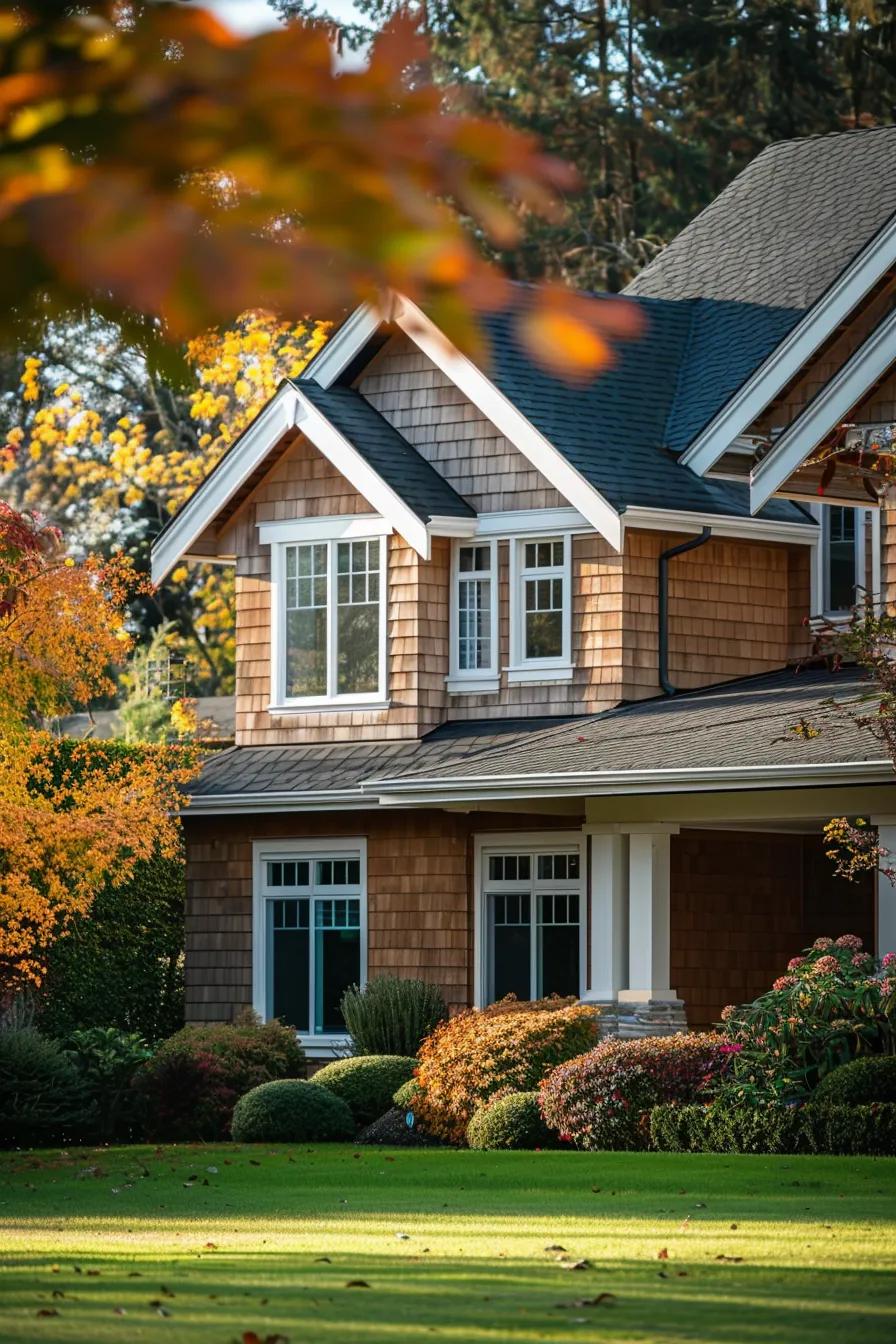
Frequency depends on climate, exposure, and material, but general guidelines help you plan maintenance. In many areas, roofs benefit from soft washing every 1–3 years, while siding and walkways often follow a 1–2 year cadence. Homes near heavy vegetation or in coastal, humid climates may need more frequent attention. Factors like tree cover, roof pitch, local rainfall, and past treatments should guide adjustments so visible regrowth or staining is addressed before it causes damage.
Key environmental and material factors to consider when setting a schedule include:
- Local humidity and microclimates that encourage biological growth.
- Amount of shade and nearby vegetation that drops organic debris.
- Roof material and age, which change susceptibility to biological damage.
Consistent scheduling reduces long-term repair costs by treating growth before it weakens substrates. Thinking of soft washing as preventative maintenance can save money compared with repairing or replacing neglected materials.
As a simple cost-avoidance example: routine soft washing can delay repainting or roof replacement by limiting biological degradation, so the small recurring cost of cleaning may offset a much larger one-time repair. This frames soft washing as part of asset management, not just a cosmetic choice.
How Does Soft Washing Support Sustainable and Eco-Friendly Home Cleaning?
Soft washing can be a sustainable option when providers use biodegradable solutions, strict dilution control, and runoff-management practices that reduce environmental impact. Targeted application usually uses less water than indiscriminate high-pressure rinsing, and many modern biodegradable surfactants and oxidizers break down quickly, limiting downstream effects. Responsible companies add containment measures — like vegetation protection and controlled rinsing — to align cleaning with environmental best practices. These steps show how soft washing supports both aesthetic and ecological homeowner goals.
Below is a straightforward EAV-style table that outlines common soft wash products or practices, their environmental features, and expected impacts so homeowners can evaluate eco-friendly choices.
| Product / Practice | Environmental Feature | Impact |
|---|---|---|
| Biodegradable Surfactants | Rapid breakdown in the environment | Reduced aquatic toxicity risk |
| Dilution Control | Precise dilution ratios and low-pressure delivery | Lower chemical volumes used per job |
| Runoff Containment | Vegetation shielding and targeted rinsing | Minimized chemical migration to soil and drains |
This table demonstrates that product choice and application method together determine the environmental footprint and overall performance of a soft wash job.
Frequently Asked Questions
What types of cleaning solutions are used in soft washing?
Soft washing uses specially formulated solutions that combine biodegradable surfactants with oxidizing agents. The surfactants loosen and lift organic matter, while oxidizers kill the biological growth at its source. Together they deliver effective cleaning while remaining gentle on delicate surfaces.
Can soft washing help with pest control on my property?
Indirectly, yes. Removing mold, algae, and mildew removes habitats that can attract insects and other pests. A cleaner exterior makes your property less inviting to pests and can be one part of an integrated pest-management approach.
Is soft washing safe for my plants and landscaping?
When done correctly, soft washing is safe for landscaping. Professionals use biodegradable solutions and take steps to protect plants, such as pre-rinsing, shielding, and targeted application. Tell your provider about any sensitive or newly planted landscaping so they can take extra precautions.
How long does the soft washing process take?
Duration varies by property size, level of growth, and surface complexity. Most residential jobs take roughly 1 to 3 hours; larger or more complex properties require more time. Ask your service provider for a specific estimate based on your home.
Can I perform soft washing myself, or should I hire a professional?
Some homeowners attempt DIY soft washing, but hiring a professional is often recommended. Pros have experience, the right equipment, and knowledge of appropriate solutions and dilutions for different materials. DIY mistakes can lead to surface damage or ineffective cleaning, so professional service is usually the safer choice.
What should I do to prepare my home for soft washing?
Prepare by clearing furniture, decorations, and potted plants from the work area. Close windows and doors to prevent water and solution entry. Point out any sensitive plants or landscaping to your provider so they can protect them. Removing loose items and securing outdoor belongings ensures a smoother, safer job.
Conclusion
Soft washing is a gentle, effective way to keep your home’s exterior looking its best while protecting materials and reducing health risks from mold and algae. Regular soft washing can extend the life of surfaces and help avoid costly repairs. If you want a professional, substrate-sensitive approach that balances results with care, learn how our soft washing services can protect and refresh your property today.
